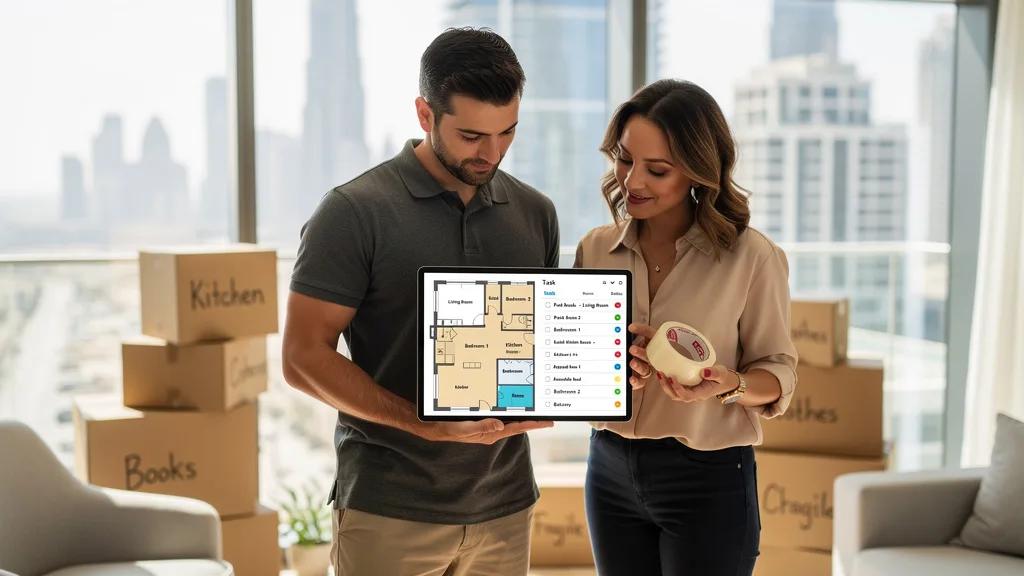
Moving into a new luxury apartment in Dubai is an exciting milestone, but what about your cherished, fragile belongings? The thought of transporting delicate glassware, priceless artwork, or sophisticated electronics can be daunting. Proper packing is not just a chore; it is the single most important step to ensure your valuables arrive at your new home in perfect condition.
To successfully pack fragile items, you must use a systematic approach. This involves gathering the right materials like double-walled boxes and ample cushioning, carefully wrapping each item individually, and using a box-in-box method for extra protection. Proper labeling and communicating with your movers are the final, crucial steps to guarantee a smooth, damage-free transition to your new Dubai residence.
Essential Packing Materials for Protecting Fragile Items
The foundation of a successful move lies in using the correct packing supplies. Investing in high-quality materials is non-negotiable when dealing with delicate possessions. Standard cardboard boxes won't suffice; you need options designed to withstand the rigors of transit. Opt for double-walled or heavy-duty moving boxes, which provide superior strength and crush resistance. These are essential for protecting everything from your dinner plates to sensitive electronics.
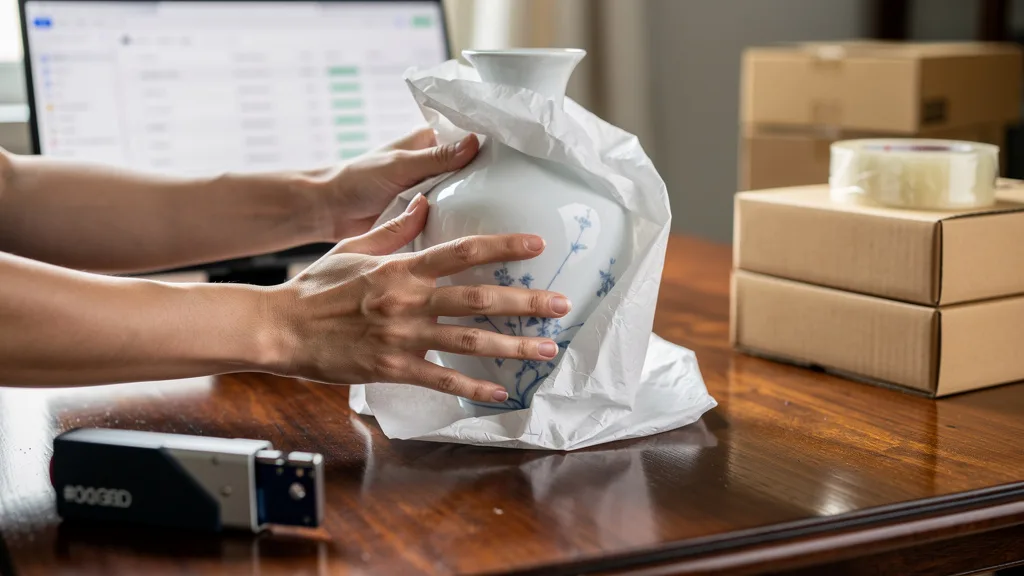
Beyond boxes, your arsenal should include a variety of cushioning materials. Bubble wrap offers excellent shock absorption, while acid-free packing paper is perfect for wrapping individual items to prevent scratches. Foam pouches, cell dividers for glassware, and packing peanuts can fill voids in boxes, preventing items from shifting. Don't forget strong packing tape to securely seal every box, a good marker for clear labeling, and stretch wrap for securing larger items like mirrors.
| Material | Primary Use | Pro Tip |
|---|---|---|
| Double-Walled Boxes | Housing fragile items like dishes, electronics, and decor. | Never overpack. A box that is too heavy is more likely to be dropped or collapse. |
| Bubble Wrap | Cushioning and shock absorption for very delicate items. | Use large bubbles for bigger items and small bubbles for smaller, more delicate ones. |
| Packing Paper | Wrapping individual items, preventing scratches, and filling gaps. | Crumple paper to create a soft, protective nest at the bottom and top of boxes. |
| Cell Dividers | Separating glassware, mugs, and bottles within a box. | Wrap each glass in paper before placing it in a cell for maximum protection. |
| Packing Tape | Securely sealing the bottom and top seams of all boxes. | Use the 'H-tape' method: tape across the center seam and then along both edge seams. |
| Permanent Markers | Labeling boxes with contents, room destination, and handling instructions. | Label boxes on at least two sides with 'FRAGILE' and arrows indicating 'This Way Up'. |
A Step-by-Step Guide to Packing Fragile Items in 2026
Knowing how to pack fragile items for a safe Dubai apartment move is a skill that blends preparation with technique. A methodical process eliminates guesswork and significantly reduces the risk of damage. By breaking down the task into manageable steps, you can ensure each of your valuable items receives the attention it deserves, from initial sorting to final labeling.
This guide provides a clear, four-step framework for success. Following these instructions will help you create secure packages that can withstand the journey to your new home, whether it's across the city or in a neighboring emirate. Let's begin with the crucial first step of preparing your belongings.
Step 1: Prepare and Sort Your Items Before Packing
Before you wrap a single item, take the time to sort and prepare. Begin by decluttering; a move is a perfect opportunity to decide what is truly worth taking. Separate items you wish to sell, donate, or discard from those you will be packing. This streamlines the process and can even reduce your overall moving costs, a key consideration covered in our guide to the hidden costs of buying a penthouse in Dubai.
Once you have your final inventory, group similar items together. Keep all your dinner plates in one area, stemware in another, and small electronics in a third. Clean and dry all items, as dust and moisture can cause damage during transit. For electronics, take photos of the cable connections before unplugging them, and place all cords and remotes in a labeled bag that you tape to the main unit.
Step 2: Master Cushioning and Wrapping Techniques
Proper cushioning is the most critical part of packing fragile items. Start by creating a soft base layer, about 5-8 cm thick, at the bottom of your box using crumpled packing paper or bubble wrap. This initial layer acts as a shock absorber. When wrapping items, always use more cushioning than you think you need. There should be no sound of items clinking together when you gently shake the box.
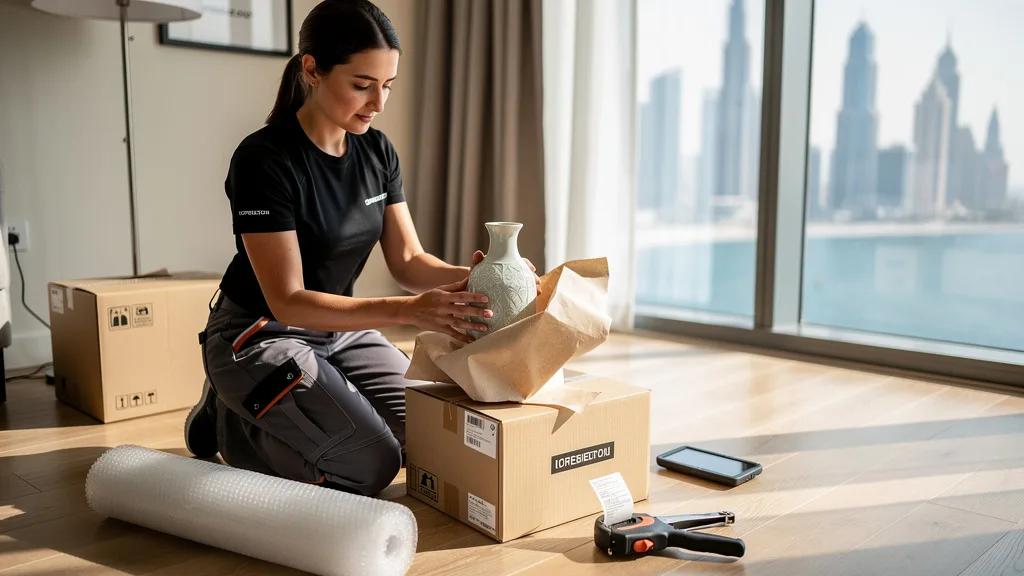
For individual items like glasses or vases, place them on the corner of a sheet of packing paper and roll diagonally, tucking in the sides as you go. Use tape to secure the paper. For flat items like plates, place one on a stack of paper, add a few more sheets on top, then add the next plate. Wrap the entire stack of 3-4 plates together. The goal is to ensure no two fragile surfaces make direct contact.
Step 3: Securely Box and Seal Your Packages
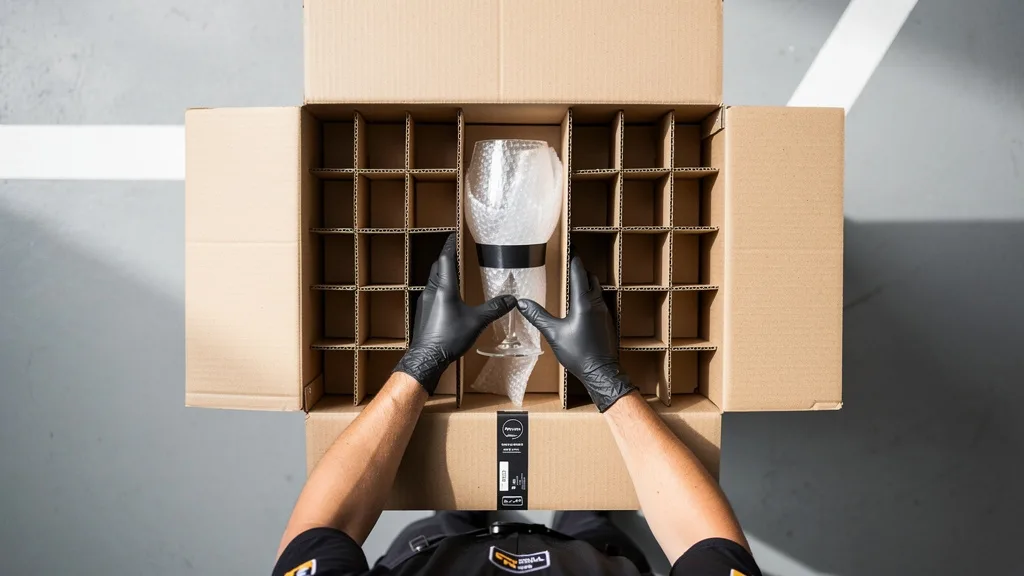
Once your items are wrapped, it's time to place them in the box. Heavier items should always go at the bottom, with lighter, more delicate pieces placed on top. When packing plates, always position them vertically on their edge, never flat. This orientation makes them much less likely to break from pressure. For glassware, use boxes with cardboard cell dividers to create individual compartments for each piece.
Fill any empty spaces or voids within the box with more crumpled packing paper, packing peanuts, or even soft linens. The contents should be snug and unable to shift. Before sealing, add another layer of cushioning on top. Securely seal the box with high-quality packing tape, applying it across the main seam and then along the side edges for extra reinforcement. A well-packed box should feel solid and compact.
Step 4: Label Every Box for Safe Handling
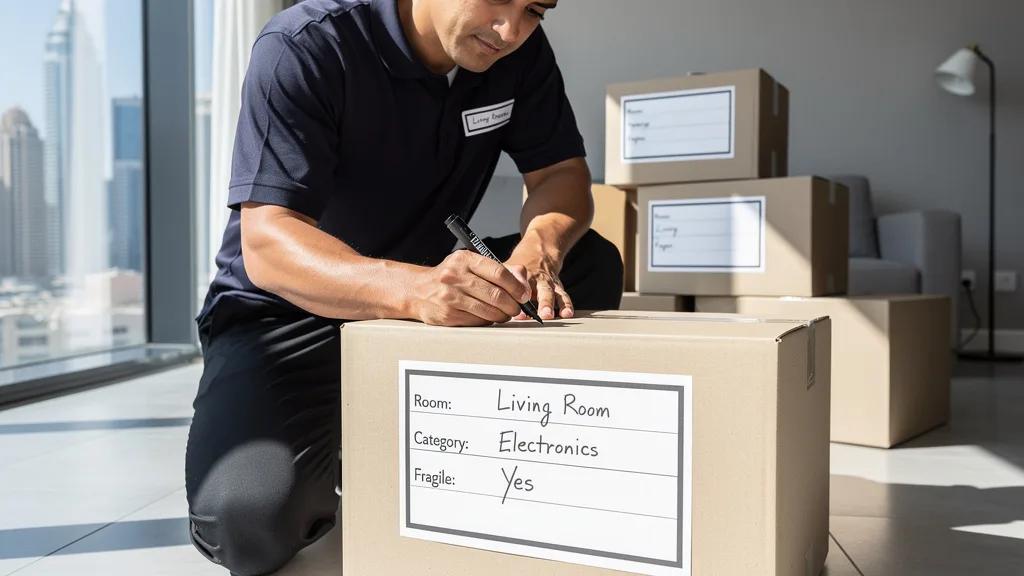
Labeling is your way of communicating with your movers and your future self. Use a thick, permanent marker to clearly label each box on at least two sides (top and one side). The label should include three key pieces of information: the contents of the box (e.g., 'Kitchen - Glassware'), the destination room in your new apartment (e.g., 'Master Bedroom'), and clear handling instructions.
For any box containing breakables, write 'FRAGILE' in large, bold letters. It is also wise to draw arrows pointing up to indicate the correct orientation of the box. This simple step prevents movers from inadvertently placing the box upside down, which is especially important for items like lamps or electronics. This clear communication ensures your most delicate possessions are handled with the care they require throughout the entire moving process, a core part of any successful relocation to Dubai.
Expert Packing Tips for Specific Valuables
While general principles apply to all fragile items, certain categories of valuables require specialized techniques. Your fine china, high-end electronics, and original artwork each have unique vulnerabilities that must be addressed with specific packing strategies. Understanding these nuances is key to ensuring your most prized possessions arrive without a scratch. Applying these expert tips will give you peace of mind as you prepare for your move.
Packing Glassware, Ceramics, and Dishes
When packing glassware, ceramics, and dishes, the golden rule is to use plenty of paper and place them correctly in the box. For stemware, wrap the stem first, then wrap the entire glass. Always place glasses, mugs, and bowls rim-down in the box. For plates and saucers, wrap them in bundles of three or four with a layer of paper between each, and always stand them on their edge inside the box. They are significantly stronger in this position.
Using a dish pack box, or a 'dish barrel', with cell dividers is highly recommended for these items. These heavy-duty boxes provide the structure needed to protect your dinnerware. Fill all empty spaces with crumpled paper to prevent any movement. The box should be firm and make no noise when gently shaken. This meticulous approach ensures your kitchen essentials are ready for use the moment you unpack.
Safeguarding Electronics and Small Appliances
Electronics are sensitive to static, impact, and temperature changes. If possible, use the original packaging, as it was specifically designed to protect the item. If you no longer have it, choose a sturdy box that is slightly larger than the device and line it with bubble wrap or foam. Wrap the electronic item itself in bubble wrap, paying special attention to screens and corners, and secure it with tape.
Before placing the item in the box, ensure it is cushioned on all sides. Place the wrapped device inside and fill any surrounding gaps with more packing material so it cannot shift. Remember to label the box 'FRAGILE' and 'ELECTRONICS'. For items with batteries, it's often best to remove them before packing. This prevents accidental activation and potential damage from leaks.
Protecting Artwork, Mirrors, and Picture Frames
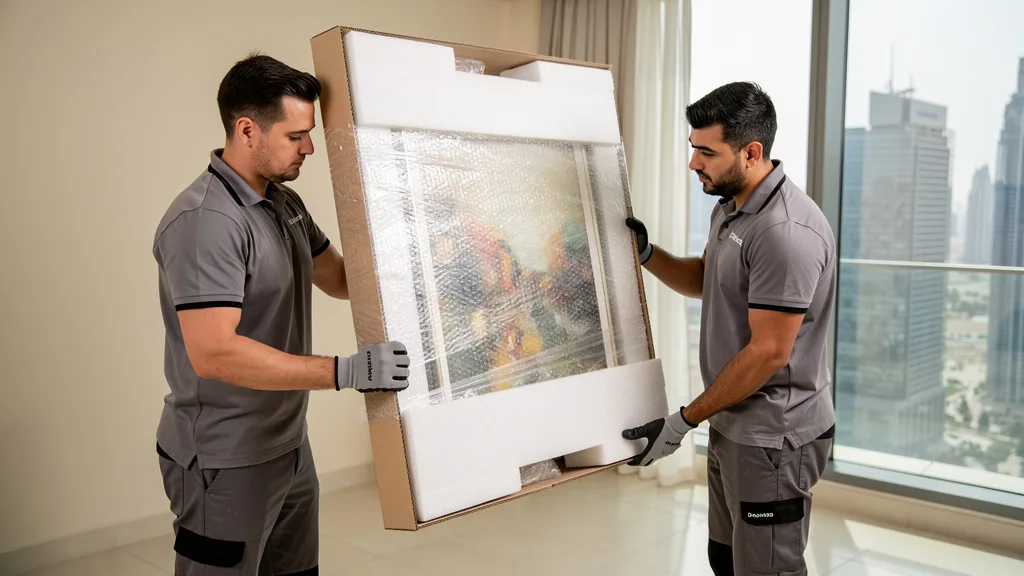
Artwork, mirrors, and large picture frames require special care. For framed pieces behind glass, create a large 'X' on the glass with painter's tape. This won't prevent the glass from breaking, but it will hold the shards in place if it does, protecting the artwork from being slashed. Next, wrap the entire piece in several layers of bubble wrap, focusing on protecting the corners with extra padding or cardboard corner protectors.
For high-value art or large mirrors, a custom crate is the safest option. For standard pieces, use a specialty picture box, which can often be telescoped to fit the exact size. Slide the wrapped frame into the box and fill any remaining space with paper. Never pack multiple frames in one box unless they are very small and well-cushioned between each other. Always transport and store these boxes vertically, never flat.
How to Pack Fragile Items Without Bubble Wrap
While bubble wrap is a fantastic resource, you may find yourself without it or prefer more sustainable options. Fortunately, many common household items can serve as effective, eco-friendly cushioning. Soft goods like towels, blankets, bed linens, and even clothing can be used to wrap delicate items. A thick bath towel can provide excellent protection for a ceramic bowl or a small appliance.
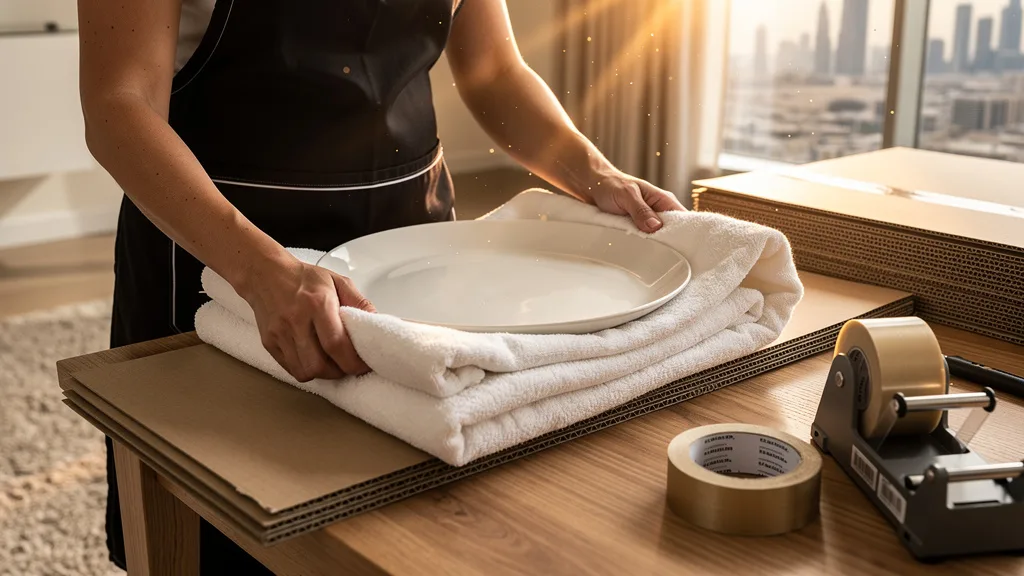
When using soft goods, ensure the item is completely enveloped with no exposed edges. You can use sweaters to wrap vases or T-shirts to cushion individual glasses. Packing paper remains a valuable, recyclable tool for filling gaps and providing a primary layer of scratch protection. The key is to pack the box tightly enough that nothing can shift, using these soft materials to fill every void. This approach is not only resourceful but also reduces waste and the number of boxes needed for your linens.
How Professional Movers in Dubai Handle Fragile Items
Professional movers in Dubai bring a level of expertise and specialized equipment that ensures the utmost safety for your valuables. They begin with a detailed inventory and use industry-grade materials, including thick moving blankets, custom crating for artwork and antiques, and heavy-duty dollies. Their experience allows them to assess an item's specific needs and apply the correct packing technique instantly. When choosing a real estate agent for your luxury apartment, their network of trusted movers is an invaluable resource, a topic we explore in our guide on how to choose a real estate agent in Dubai.
"The biggest difference is experience. A professional packer has wrapped thousands of glasses and hundreds of mirrors. We know exactly how much pressure a box can take and how to load a truck to minimize vibration and shifting. It's a science of weight distribution and cushioning that you only learn through practice." - Moving Operations Manager
During transport, professional teams use air-ride suspension trucks that significantly reduce road shock. Inside the truck, items are strategically loaded into secure tiers, with heavy, sturdy furniture forming a solid base. Fragile boxes are always placed on top, away from potential pressure points. This systematic approach to loading and transport is a critical service that self-movers often overlook, and it's a primary reason why hiring professionals is the best choice for protecting expensive and sentimental belongings.
Common Mistakes to Avoid When Packing Valuables
Even with the best intentions, simple mistakes can lead to broken valuables. One of the most common errors is overpacking boxes. A box that is too heavy is difficult to lift safely and is more prone to being dropped or having its bottom give out. As a rule of thumb, no box should weigh more than 15-20 kg. It's better to use more boxes than to create ones that are too heavy.
Another frequent mistake is not using enough cushioning or leaving empty space inside the box. Any room for movement allows items to shift and collide during transit, which is the primary cause of breakage. You must fill every gap with packing paper or other soft materials. Finally, failing to label boxes correctly, or at all, is a recipe for disaster. Unmarked boxes won't receive the special handling they need, so take the extra minute to write 'FRAGILE' clearly on every relevant container.
Key Takeaways
Successfully moving your fragile possessions to a new Dubai apartment hinges on careful preparation and execution. By following a structured approach, you can significantly minimize the risk of damage and ensure your valuables arrive intact. Here are the most important points to remember:
- Use Quality Materials: Invest in double-walled boxes, ample bubble wrap, packing paper, and strong tape. The right supplies are your first line of defense.
- Wrap and Cushion Generously: Each fragile item should be individually wrapped. Fill all empty spaces in boxes to prevent items from shifting during transport.
- Pack Strategically: Place heavier items at the bottom of boxes, stand plates on their edge, and use cell dividers for glassware. Never overpack a box.
- Label Clearly: Mark every box containing breakables with 'FRAGILE', the room destination, and arrows indicating the correct orientation. This is vital for movers.
- Consider Professionals: For high-value or exceptionally delicate items, hiring professional movers in Dubai provides access to expertise, specialized equipment, and insurance for ultimate peace of mind.
Frequently Asked Questions
How do movers ensure security for jewelry and important documents?
Professional movers typically advise clients to transport small, high-value items like jewelry, passports, cash, and important documents themselves. These items are too valuable and personal to be placed in a moving truck. It is recommended that you pack a dedicated 'essentials' bag or box containing these items and keep it with you at all times during the move.
For larger valuable collections that cannot be personally transported, reputable moving companies can offer high-security solutions. This may include sealed and tracked crates, dedicated transport, or even armored vehicle services for exceptionally valuable collections. Always discuss these needs with your moving consultant beforehand to arrange the appropriate level of security.
What is the best way to transport plants during a move in Dubai?
Transporting plants can be tricky, especially in Dubai's climate. Most moving companies cannot take responsibility for live plants due to the risk of damage from heat or lack of water. The best method is to transport them in your own vehicle. A few days before the move, re-pot plants from heavy ceramic pots into lightweight plastic containers.
On moving day, place the pots securely in an open-topped box to prevent them from tipping over. Ensure they have adequate air circulation and are not left in a hot car for an extended period. Once you arrive at your new apartment, unpack them immediately and give them some water to help them recover from the stress of the move.
Should I get moving insurance for my fragile items?
Absolutely. While proper packing significantly reduces risk, accidents can still happen. Most reputable moving companies offer valuation coverage, which is different from traditional insurance. Basic 'released value protection' is often included but provides minimal coverage, typically based on the weight of an item. For valuable belongings, this is insufficient.
It is highly recommended to purchase 'full value protection'. This ensures that if an item is lost, damaged, or destroyed, the moving company will either repair it, replace it with a similar item, or offer a cash settlement for its current market value. Always read the policy details carefully to understand the coverage limits and deductible before signing. For an in-depth look at different rental considerations, our guide on short term vs long term rentals can be helpful.
What happens if a fragile item is delivered damaged?
If you discover a damaged item upon delivery, it's important to act quickly. Do not throw away the item or the packing materials. Note the damage on the mover's delivery paperwork or bill of lading before you sign it. If you only notice the damage after the movers have left, contact the moving company immediately, ideally within a few days.
Take clear photos of the damaged item and the box it came in to document the issue. You will then need to file a formal claim with the moving company according to their specific procedures. Having purchased full value protection will be critical in ensuring you are fairly compensated for the damage.
How much extra time should I plan for packing fragile belongings?
Packing fragile items is a meticulous process that should not be rushed. As a general rule, you should allocate at least twice as much time for packing fragile items as you would for non-breakables like books or linens. For a standard two-bedroom apartment, dedicating one or two full days just for packing the kitchen, artwork, and other delicate decor is a realistic timeframe.
Start packing fragile items you don't use daily, such as special occasion dinnerware or decorative pieces, a week or two before your move date. This spreads out the workload and prevents you from feeling overwhelmed in the final days. A rushed packing job is the leading cause of preventable damage.
Conclusion
Mastering how to pack fragile items transforms the stress of moving into a manageable, secure process. By investing in the right materials, adopting a methodical wrapping and boxing strategy, and labeling everything clearly, you take control over the safety of your most cherished possessions. This careful preparation is the key to ensuring everything from your delicate stemware to your valuable electronics arrives at your new Dubai apartment in pristine condition, allowing you to settle in and enjoy your luxury space without delay.
As you prepare for your move, remember that professional assistance is available to ensure a seamless transition. Our team specializes in helping clients find their perfect luxury apartment and can connect you with trusted partners for every aspect of your relocation. If you're ready to take the next step or require expert advice on your move, we are here to help.
If you want help turning this into a concrete plan for your site or team, take the next step below to apply How to Pack Fragile Items for a Safe Dubai Apartment Move with confidence.
Ready to act on How to Pack Fragile Items for a Safe Dubai Apartment Move? Get a Quote — tell us your goal, and we will help you pick the highest-leverage next step so you are not guessing alone.