Are you dreaming of a fresh start in a city known for its ambition, luxury, and boundless professional opportunities? Moving to Dubai offers a unique lifestyle, combining a high standard of living with a vibrant, multicultural environment. This guide provides essential tips for your relocation in 2026, covering everything from visa requirements and budgeting to finding your perfect home in this dynamic metropolis.
To successfully move to Dubai, you must first secure a residency visa, prepare a detailed budget for initial costs like rent and setup fees, and manage the logistics of your international relocation. Once there, you will need to open a bank account, obtain your Emirates ID, and navigate the housing market to find a suitable apartment for rent or purchase. This process is your gateway to enjoying the city's world-class infrastructure and tax-free income benefits.
Essential First Steps for Moving to Dubai
The journey to relocating to Dubai begins with careful planning and a clear understanding of the legal and financial prerequisites. Before you pack your bags, focusing on the foundational elements of your move will ensure a smoother transition. These initial steps involve navigating the visa system and creating a solid financial plan to cover your expenses upon arrival.
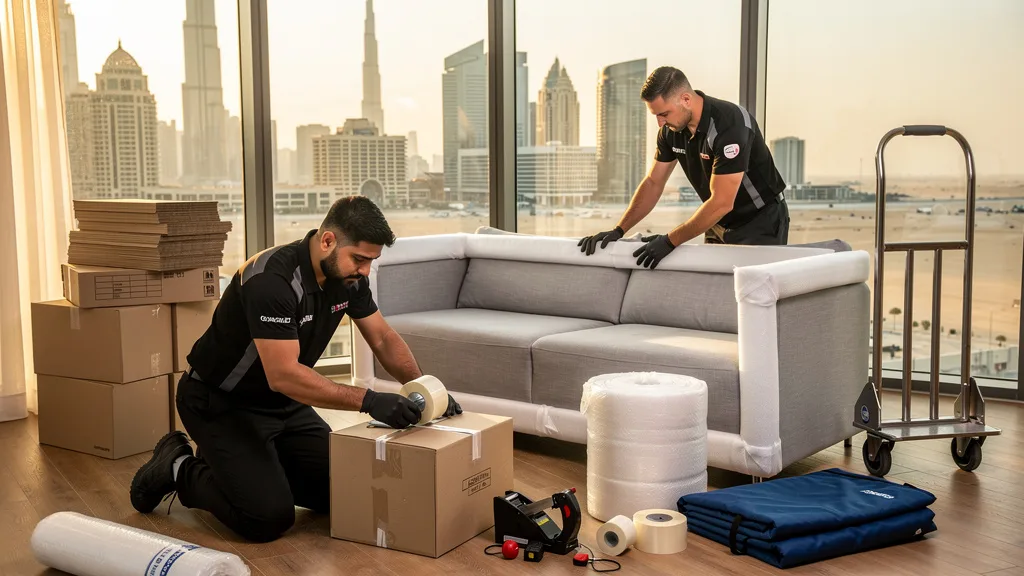
Successfully managing these early stages is crucial. From securing the right to live and work in the UAE to ensuring you have sufficient funds for your first few months, this groundwork sets the stage for your new life. Proper preparation minimizes stress and allows you to focus on the exciting aspects of settling into one of the world's most popular expat destinations.
Understanding Visa and Residency Requirements for 2026
Your first major task is to secure a residency visa, which is mandatory for living in Dubai long-term. Most expatriates obtain a work visa sponsored by their employer. If you have a job offer, your company will typically handle the application process. Other popular options include an investor visa for those purchasing property or a freelance permit, which offers more independence.
The UAE government also offers long-term residency through its Golden Visa program for investors, entrepreneurs, and individuals with outstanding talents. For those planning to retire, a specific retirement visa is available for individuals over 55 who meet certain financial criteria. It is essential to research the latest 2026 regulations for each visa type, as requirements can change. For more details, this guide on Relocating to Dubai offers a comprehensive overview.
Initial Budgeting and Financial Preparation
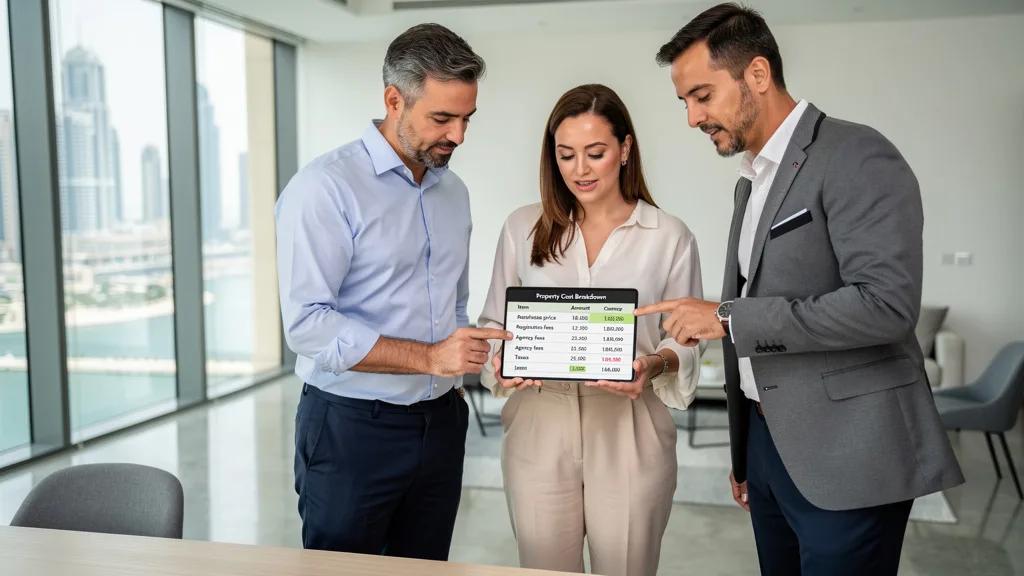
Creating a detailed budget is a non-negotiable step before moving to Dubai: tips for a fresh start in 2026 are most effective when backed by financial stability. Your initial budget should account for visa application fees, flight costs, and shipping for your belongings. The largest upfront expense will likely be for housing, which typically requires a security deposit and several months' rent in advance, even for a rental property.
You should plan to have enough savings to cover at least three to six months of living expenses while you get settled. This safety net will cover costs like utility connections, furniture, groceries, and transportation before you receive your first salary. Consider opening a multi-currency account to manage funds efficiently and save on exchange rates when you send money back home or make international payments.
Managing the Logistics of Your International Move
Once your visa and finances are in order, the next phase involves the practical logistics of getting yourself and your belongings to Dubai. This stage can feel overwhelming, but breaking it down into manageable tasks makes it much more straightforward. Key considerations include selecting an international shipping company and arranging your initial travel and accommodation.

Coordinating these elements effectively is key to a stress-free arrival. A well-planned logistical strategy ensures your possessions arrive safely and you have a comfortable place to stay while you search for a permanent home. Taking the time to research and book services in advance can save you significant time and money.
Shipping Your Belongings and Pets
Choosing a reliable international moving company is critical. Get quotes from several providers and check their reviews, ensuring they have experience with customs clearance in the UAE. You will need to decide what to ship, what to sell, and what to store. Keep in mind that apartments in Dubai can be smaller than what you are used to, so it may be wise to downsize.
If you are moving with pets, the process requires extra planning. Your pet will need a microchip, up-to-date vaccinations, and an import permit from the UAE's Ministry of Climate Change and Environment. Most expats use a specialized pet relocation service to handle the complex paperwork and ensure their furry friends travel safely and comfortably. For more tips on relocating, this guide for Moving to Dubai can be a helpful resource.
Arranging Travel and Temporary Accommodation
Booking your flights well in advance can help you secure better prices. Once you have your arrival date, you should arrange temporary accommodation for your first few weeks. This gives you a base from which to search for a long-term home without pressure. Many new arrivals opt for hotel apartments or short-term rentals, which offer flexibility and amenities like a kitchen and laundry facilities.
These temporary stays allow you to explore different neighborhoods and understand the city's layout before committing to a one-year lease. Exploring options for short-term rentals in Dubai can provide a comfortable and convenient solution. When you are ready to make a decision, understanding the nuances of deciding between short-term vs long-term rentals will help you choose the best path for your situation.
Cost of Living and Salaries in Dubai
Dubai is known for its luxurious lifestyle, but the cost of living can vary dramatically depending on your choices. While the absence of income tax is a major draw, it is important to have a realistic understanding of your potential expenses. Housing, education, and leisure activities are typically the largest components of an expat's budget.
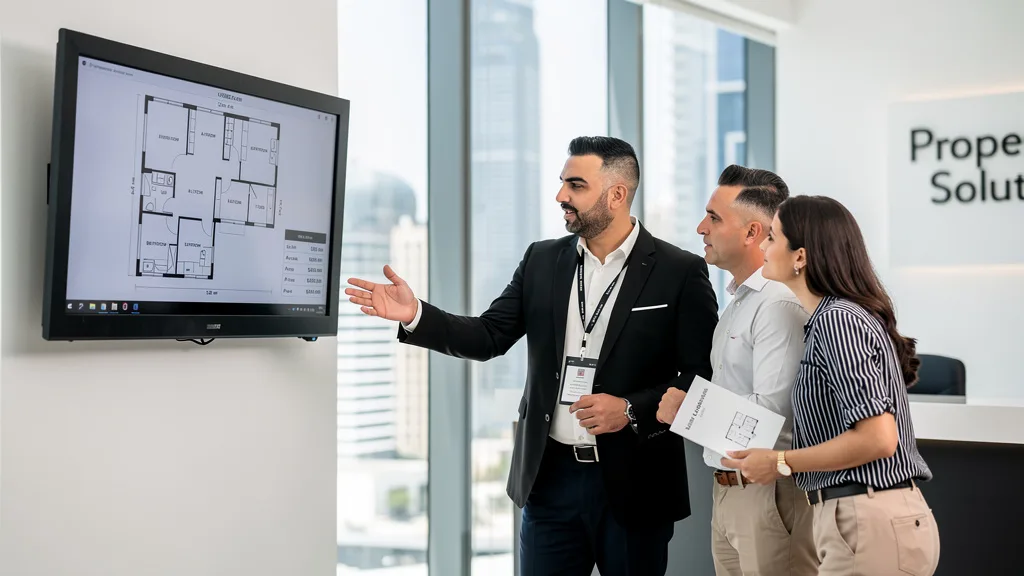
Salaries in Dubai are generally competitive, especially in high-demand sectors like finance, technology, and healthcare. Your earning potential will depend on your industry, experience, and qualifications. Researching average salaries for your profession is a crucial step in assessing whether a move is financially viable and will allow you to maintain your desired standard of living.
Breakdown of Average Monthly Expenses
To help you budget, it is useful to break down the average monthly costs for a single person or a family. Housing is the biggest expense, with rental prices varying significantly by location and property size. Other major costs include utilities, groceries, transportation, and school fees if you have children. Here is a sample breakdown of potential monthly expenses.
| Expense Category | Single Person | Family of Four |
|---|---|---|
| Rent (1-BR Apartment) | 5,000 - 9,000 | N/A |
| Rent (3-BR Villa/Apartment) | N/A | 12,000 - 20,000 |
| Utilities (DEWA, Internet) | 800 - 1,500 | 1,500 - 2,500 |
| Groceries | 1,200 - 2,000 | 3,000 - 5,000 |
| Transportation (Car/Metro) | 1,000 - 2,500 | 2,000 - 4,000 |
| Entertainment & Dining | 1,500 - 3,000 | 3,000 - 6,000 |
| School Fees (per child) | N/A | 3,000 - 7,000 |
Is 60,000 AED a Good Salary in Dubai?
Yes, a monthly salary of 60,000 AED is considered an excellent salary in Dubai. This level of income places you in a high-earning bracket and affords a very comfortable, even luxurious, lifestyle. With this salary, you could easily rent a high-end apartment or villa in a prime location like Dubai Marina or Downtown, dine out frequently, travel, and still have a significant amount left over for savings and investments.
For a family, 60,000 AED per month would comfortably cover the costs of a large home, international school fees for multiple children, and household help. It provides the financial freedom to enjoy all that Dubai has to offer, from world-class shopping and dining to exclusive leisure activities. This salary far exceeds the average income and allows for a high standard of living.
Setting Up Your New Life in the City
After your arrival, the focus shifts to establishing your life in Dubai. This involves a series of administrative tasks that are essential for any new resident. From opening a bank account to finding a permanent home, these steps will help you integrate smoothly into the city. Having your documents in order, including your passport and residency visa, will be critical during this phase.
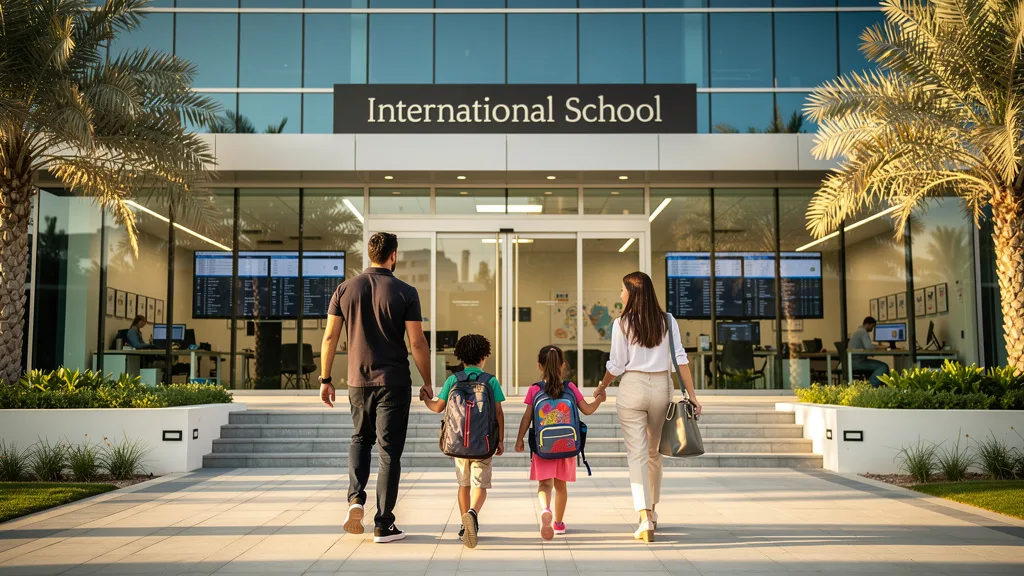
This period is also about exploring your new environment and making connections. Navigating the job market if you arrived without a role, or settling into your new company culture, is a key part of the process. The sooner you complete these setup tasks, the sooner you can begin to truly enjoy your new life in Dubai.
Opening a Bank Account as an Expat
Opening a local bank account is one of the first and most important things you will do. You will need a bank account to receive your salary, pay bills, and set up direct debits for rent. To open an account, you will typically need your passport with your residency visa, your Emirates ID, and a letter of no objection from your employer.
Most major banks in Dubai have dedicated services for new expats and offer a range of accounts, from basic current accounts to premium packages with additional benefits. It is wise to compare fees, services, and online banking capabilities before making a choice. Once your account is open, you will receive a debit card, and you can also apply for a credit card.
Navigating the Dubai Job Market
If you move to Dubai without a job, finding employment will be your top priority. The job market is competitive but full of opportunities, particularly in sectors like technology, finance, tourism, and real estate. Professional networking platforms like LinkedIn are widely used by recruiters in the region. Tailoring your CV to highlight skills and experiences relevant to the local market is essential.
Attending industry events and connecting with recruitment agencies can also be highly effective. While it is possible to find a job after arriving on a tourist visa, securing a position beforehand is often less stressful and provides a clearer path to residency. Having a strong professional network can be a significant advantage in this dynamic market.
Renting or Buying Property in Dubai
Finding a place to live is a major milestone. Dubai's property market offers a vast range of options, from high-rise apartments in bustling urban centers to spacious villas in quiet, family-oriented communities. When renting, you will need to provide post-dated checks for the annual rent, although some landlords are becoming more flexible with payment terms.
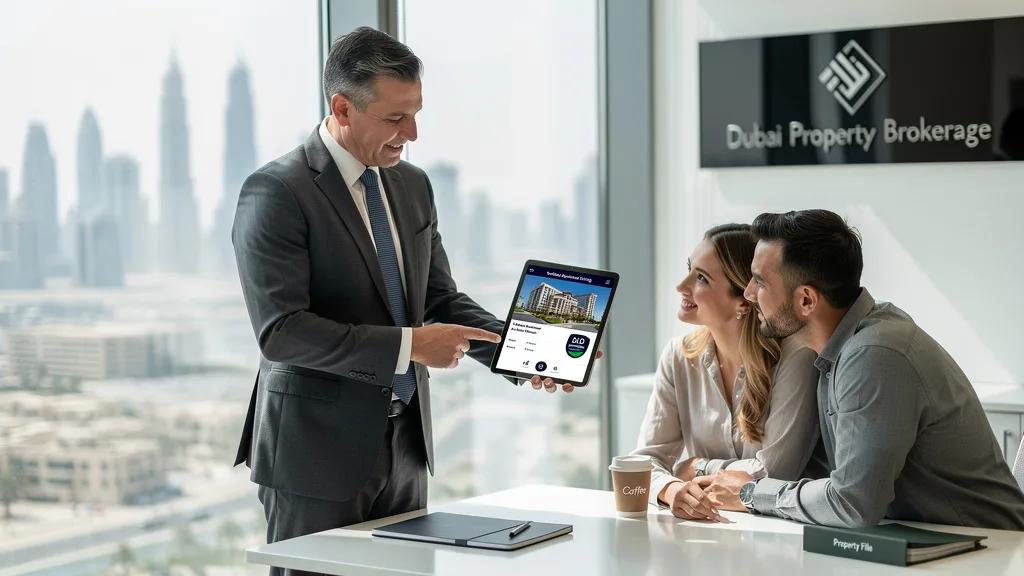
"Finding the right home is the cornerstone of a successful relocation. Our focus on DLD-verified listings ensures transparency and peace of mind, which is invaluable when making a significant investment in a new country. It's a key part of the support we provide for those starting their new life in Dubai."
For those looking to buy, Dubai offers freehold areas where foreign nationals can purchase property. This can be a great long-term investment and a path to an investor visa. Whether renting or buying, choosing a real estate agent in Dubai who is RERA-certified is crucial for a smooth and secure transaction. They can guide you through listings for 2-bedroom apartments for sale and other properties that match your needs.
Daily Life and Culture for Expats
Adapting to daily life in Dubai involves understanding its unique blend of modern innovation and traditional culture. As an Islamic country, the UAE has customs and laws that expats should respect, such as modest dress codes in public places and restrictions during the holy month of Ramadan. However, Dubai is also a highly cosmopolitan and tolerant city, home to over 200 nationalities.
The work week runs from Monday to Friday, with the weekend on Saturday and Sunday. The city offers an incredible array of leisure activities, from pristine beaches and desert safaris to world-class shopping malls and gourmet restaurants. Understanding the local healthcare and education systems is also a vital part of settling in, especially for those with families.
The Healthcare System Explained
Dubai boasts a world-class healthcare system with state-of-the-art hospitals and clinics. Health insurance is mandatory for all residents. Your employer is legally required to provide you with health coverage, but you may need to purchase separate or upgraded policies for your dependents. The quality of care is excellent, with many internationally trained doctors and specialists.
It is important to familiarize yourself with your insurance policy to understand what is covered. Most policies work on a co-payment basis for consultations and treatments. Public and private facilities are available, with private hospitals often offering a more premium experience. You can easily find pharmacies across the city, many of which are open 24/7.
Education and International Schools for Families
For families moving with children, the quality of education is a primary concern. Dubai has a vast network of private international schools offering various curricula, including British, American, International Baccalaureate (IB), and Indian. School fees are a significant expense and can range widely depending on the school's reputation, curriculum, and facilities.
It is advisable to start your school search and application process well in advance, as popular schools often have long waiting lists. When choosing a school, consider its location in relation to your potential home and workplace. You can explore Dubai's family-friendly neighborhoods to find communities that are well-served by top-tier schools and amenities.
Retiring in Dubai: What Are Your Options?
Dubai has become an increasingly attractive destination for retirees, thanks to its safety, excellent healthcare, and high quality of life. The UAE government introduced a retirement visa program to cater to this demographic. To be eligible for the five-year renewable retirement visa, you must be over the age of 55 and meet one of several financial criteria.
The requirements include having a monthly income of at least AED 20,000, possessing cash savings of AED 1 million, or owning property in Dubai worth at least AED 2 million. This visa allows retirees to enjoy the city's lifestyle and sponsor their spouses. It is a fantastic option for those looking to spend their golden years in a sunny, dynamic, and well-connected city.
Your Pre-Move Checklist for a Smooth Transition
A successful move requires organization. Use this checklist to stay on track as you prepare for your new life in Dubai. Ticking off these items will help ensure you have not missed any critical steps in the process, making your arrival and initial weeks as seamless as possible.
- 6-12 Months Before Move: Research visa options, job prospects, and average cost of living. Start saving for initial expenses.
- 3-6 Months Before Move: Secure a job offer if needed. Begin the visa application process. Research schools and start applications if moving with children.
- 2-3 Months Before Move: Get quotes from international moving companies. Declutter and decide what to ship. Arrange for pet relocation services if applicable.
- 1 Month Before Move: Book flights and temporary accommodation in Dubai. Notify banks, utilities, and other services of your move. Gather all important documents (passports, birth certificates, academic records).
- 1-2 Weeks Before Move: Pack your essential luggage. Exchange some currency to have AED on hand upon arrival. Confirm all travel and shipping arrangements.
- Upon Arrival: Complete your medical test and Emirates ID application. Open a local bank account. Start your search for a long-term rental property.
Key Takeaways
Successfully relocating to Dubai in 2026 hinges on thorough preparation and understanding the key aspects of life in the city. From legal requirements to financial planning, a clear strategy will pave the way for a smooth transition. Here are the most important points to remember:
- Visa and Budget are Priority One: Secure your residency visa well in advance and create a comprehensive budget to cover initial costs for housing, setup, and at least three months of living expenses.
- Logistics Matter: Plan the shipping of your belongings and book temporary accommodation early to ensure a stress-free arrival and a comfortable base for your property search.
- Understand Local Costs and Norms: Research the cost of living, from rent to groceries, and familiarize yourself with local customs and laws to integrate smoothly into Dubai's multicultural society.
- Leverage Professional Help: Work with RERA-certified real estate agents for property transactions and consult with relocation specialists for complex matters like shipping pets or finding schools.
- Plan for the Long Term: Think beyond the move itself. Understand the healthcare system, education options, and even retirement pathways to build a sustainable and enjoyable life in Dubai.
Frequently Asked Questions
What is the 3000 rule in Dubai?
The "3000 rule" is an informal term often referring to the minimum salary requirement for sponsoring family members. While the exact figure can change, a male expatriate typically needs a minimum monthly salary of AED 4,000, or AED 3,000 plus accommodation provided by the company, to sponsor his wife and children for residency visas.
What is the 6 month rule in Dubai?
This rule ensures that the sponsor has sufficient financial capacity to support their family in Dubai. It is a key regulation for expats planning to bring their families with them and is an important factor to consider when evaluating a job offer.
How much money do you need to move to Dubai initially?
The "6 month rule" in Dubai refers to the regulation that a resident with a UAE residency visa must not stay outside the country for more than six consecutive months. If a resident exceeds this period, their residency visa will automatically become invalid. They would then need to re-apply for a new entry permit to return.
Can you move to Dubai without a job offer?
This rule is crucial for expats who may need to travel extensively for work or personal reasons. There are some exceptions, such as for Golden Visa holders, who are permitted to stay outside the UAE for longer periods without it affecting their visa status.
What are the biggest challenges of living in Dubai?
The initial amount of money you need to move to Dubai can vary widely, but a safe estimate is between AED 20,000 and AED 40,000 for a single person. This amount covers one to three months' rent upfront, a security deposit, visa and Emirates ID fees, utility connections, and basic furniture and living expenses for the first month.
For a family, this figure could be significantly higher, potentially between AED 50,000 and AED 80,000 or more, depending on the size of the property and school admission fees. Having a substantial financial buffer is one of the most important tips for a successful start.
Yes, you can move to Dubai without a job offer, but you will need to secure an alternative type of residency visa. Options include obtaining a freelance permit, an investor visa by purchasing property worth over AED 750,000, or establishing your own company. The UAE's Golden Visa program also provides long-term residency for investors, entrepreneurs, and highly skilled professionals without needing a local sponsor.
Many people also come on a tourist visa to actively search for a job. If they find employment, their new company will then sponsor their work visa. This approach carries more risk but is a common strategy for many hopeful expats.
While Dubai offers an exceptional quality of life, there are challenges. The high cost of living, particularly for rent and international school fees, can be a significant financial pressure. The extreme heat during the summer months (June to September) can be difficult to adapt to, with life moving indoors to air-conditioned spaces.
Another challenge can be cultural adjustment. While Dubai is very multicultural, it is still a Muslim country with conservative laws and customs that expats must respect. Finally, the transient nature of the expat community can make it feel difficult to build deep, long-lasting friendships, as people frequently move in and out of the city.
Conclusion
Your plan for moving to Dubai: tips for a fresh start in 2026 can become a reality with careful research and organization. By focusing on securing your visa, creating a solid budget, and understanding the nuances of the local housing market, you set yourself up for a seamless transition. Dubai is a city that rewards preparation, and a well-thought-out move is the first step toward enjoying its incredible lifestyle and professional opportunities.
The key takeaways from this guide are to prioritize your legal and financial groundwork, plan your logistics meticulously, and embrace the process of setting up your new life. From opening a bank account to choosing a neighborhood, each step is a building block for your future in the UAE. The challenges, such as the cost of living and summer heat, are manageable when weighed against the benefits of safety, career growth, and tax-free income.
Navigating the property market to find the perfect home is often the most significant part of settling in. Whether you are looking for a chic studio in the city center or a spacious family villa, the options are vast and the process can be complex. Working with an expert who understands the market and provides verified listings ensures you make a confident and secure choice.
If you're ready to find your ideal apartment for sale, rent, or a short-term stay, our team is here to help. We offer a portfolio of verified luxury properties and provide transparent, expert advice to make your move as smooth as possible. Get a Quote today to start your property search with a trusted partner.