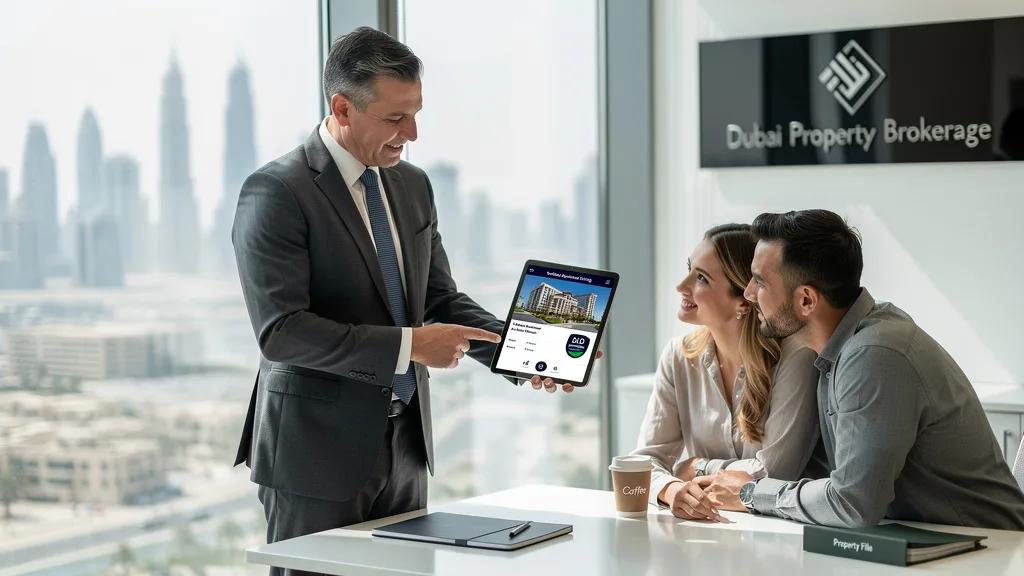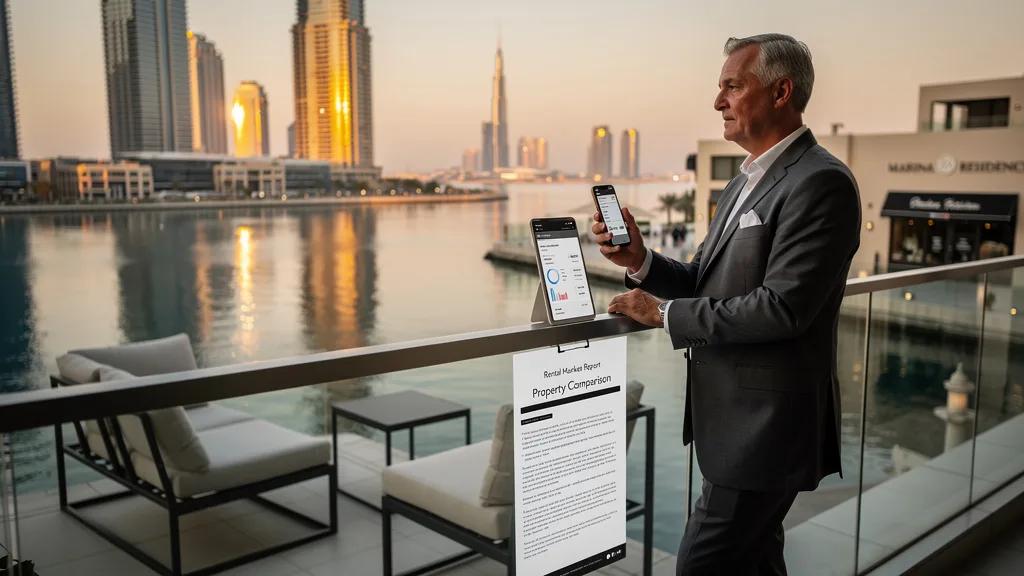
As an investor in Dubai's dynamic property market, are you facing the critical decision between a short-term holiday let and a traditional long-term lease? Choosing the right strategy is crucial for maximizing your return on investment, and the answer depends entirely on your financial goals, risk tolerance, and desired level of personal involvement.
Deciding on Short Term vs Long Rentals in Dubai Which Is Better involves weighing higher potential yields and flexibility against the stability and lower effort of long-term contracts. Short-term rentals often generate more income but require active management and compliance with DET regulations. Long-term rentals offer predictable, passive income with less turnover, making it a steadier, hands-off investment for many property owners in 2026.
Understanding the Dubai Rental Market in 2026
The Dubai real estate market in 2026 continues to be a global hub for investment, attracting a diverse mix of residents and tourists. The rental landscape is shaped by strong economic growth, a consistent influx of expatriates, and a world-class tourism industry. This creates robust demand for both short-term holiday homes and long-term residential leases, giving property owners two distinct paths to generating rental income.
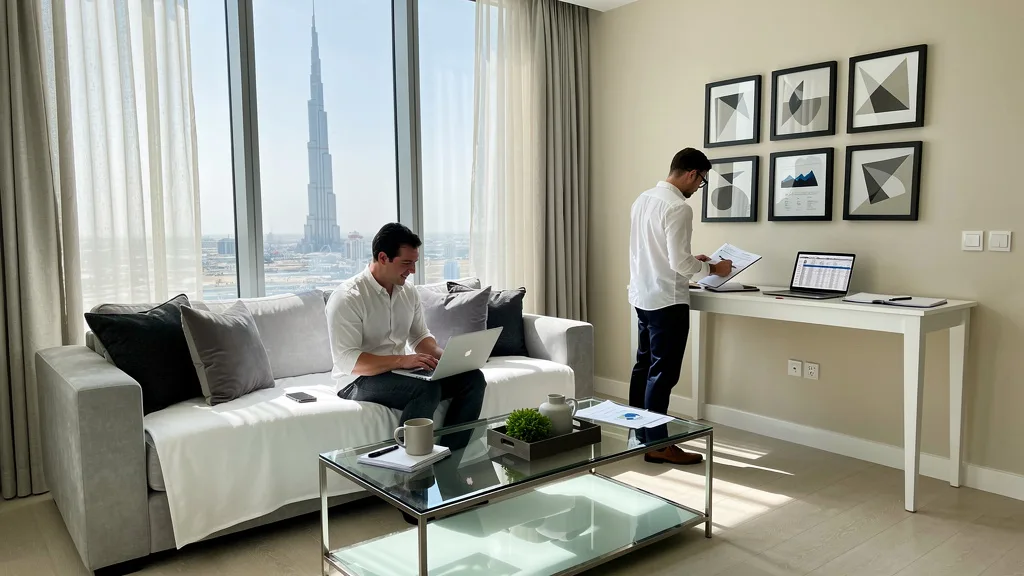
Understanding the nuances of each option is more important than ever. Regulatory frameworks from bodies like the Dubai Land Department (DLD) and the Department of Economy and Tourism (DET) govern how properties can be leased. Market trends, such as the increasing demand for flexible living arrangements and the steady need for stable family homes, also influence profitability. As a landlord, your choice will impact everything from your monthly cash flow and operational duties to your tax obligations and vacancy rates.
A short-term rental in Dubai is a property leased for a period of less than one year, typically on a daily, weekly, or monthly basis. These are often referred to as holiday homes and are fully furnished and equipped with all necessary amenities, including utilities like DEWA and internet, which are included in the rental price. This model caters primarily to tourists, business travelers, and residents in transition who need flexible, hotel-like accommodations.

Operating a short-term rental requires a special permit from the DET. The landlord or their approved operator is responsible for managing bookings, guest communication, check-ins, cleaning, and maintenance between stays. While this model can produce significantly higher nightly rates compared to a long-term lease, it also involves more hands-on management and variable occupancy, creating a different risk and reward profile for investors.
Key Characteristics of Short-Term Lets
The defining feature of short-term rentals is flexibility. Leases can be as short as one night, allowing owners to adjust pricing dynamically based on seasonality, local events like Expo 2020 follow-ups, or holidays. This can lead to maximized revenue during peak seasons. Owners also retain the flexibility to use the property for themselves between guest bookings, which is a significant advantage for those who frequently visit Dubai.
These properties must be offered on an all-inclusive basis. The rent covers utilities, internet, building service charges, and often cleaning services. This turnkey solution is highly attractive to guests but means the owner is responsible for managing and paying for all these services. The property must be maintained to a high standard, as guest reviews directly impact future booking potential and nightly rates.
Who Typically Uses Short-Term Rentals
The primary audience for short-term rentals consists of tourists and holidaymakers seeking a more private and spacious alternative to hotels. They offer the comfort of a home with amenities like a full kitchen, which is ideal for families or longer vacation stays. Another key demographic is corporate travelers on temporary assignments or projects who require comfortable, serviced accommodation for a few weeks or months.
Additionally, new residents moving to Dubai often use short-term lets while they search for a permanent home or wait for their long-term accommodation to become available. This group values the flexibility and lack of a long-term commitment. Finally, individuals undergoing home renovations or those in between long-term leases also contribute to the demand for these flexible housing solutions.
A long-term rental in Dubai is defined by an annual lease contract, registered through the Ejari system with the Dubai Land Department. These leases provide a tenant with a home for a minimum of one year, creating a stable and predictable income stream for the landlord. Unlike short-term lets, long-term rentals are typically unfurnished, and the tenant is responsible for setting up and paying for their own utilities, including DEWA, internet, and cooling services.

The relationship between landlord and tenant is governed by RERA (Real Estate Regulatory Agency) laws, which provide a clear legal framework for rent payments, renewals, and dispute resolution. This structure makes it a more passive form of investment. Once a reliable tenant is in place, the landlord's primary responsibilities are collecting rent cheques and handling major maintenance issues, with minimal day-to-day involvement.
Defining Features of Long-Term Leases
Stability is the cornerstone of a long term rental. An annual contract, typically paid in one to four post-dated cheques, provides the landlord with a guaranteed income for 12 months. This predictability simplifies financial planning and significantly reduces the risk of vacancy compared to the high turnover of short-term lets. The Ejari registration system formalizes the lease, protecting the rights of both the landlord and the tenant.
In a long-term lease, the operational burden on the landlord is much lower. Tenants manage their own consumption and payment of utilities. While the landlord remains responsible for major structural maintenance, the tenant typically handles minor upkeep. This hands-off approach is ideal for investors who do not reside in Dubai or who prefer a passive investment that requires minimal active management.
The Profile of a Long-Term Tenant
The typical long-term tenant in Dubai is an expatriate resident, whether a single professional, a couple, or a family, who has relocated to the city for work. These residents seek stability and a place to call home, often signing multi-year renewals if they are happy with the property and location. They are looking for a community and proximity to schools, offices, and lifestyle amenities.
This tenant profile values the ability to furnish and personalize their living space. Finding a good, reliable tenant is key to a successful long-term rental investment. Thorough vetting, including checking employment status and references, is a critical step in securing a tenancy that is likely to be smooth and profitable over the long run. Many investors seek out our apartments for rent in Dubai to find verified tenants.
Short-Term vs. Long-Term Rentals: A Head-to-Head Comparison
When comparing the two rental models, property investors in Dubai must analyze several key factors beyond just the monthly rent. The decision impacts everything from potential income and upfront costs to your personal time commitment and exposure to regulatory changes. Each strategy offers distinct advantages and disadvantages that align with different investment goals.

To help you make an informed choice, we've broken down the direct comparison across the most critical aspects: profitability, flexibility, expenses, management effort, legal rules, and vacancy risk. This side-by-side analysis will clarify which path better suits your portfolio and personal preferences as a property owner in the Dubai market.
| Feature | Short-Term Rental | Long-Term Rental |
|---|---|---|
| Income Potential | Higher potential yield, especially in peak season; variable income. | Stable, predictable annual income; lower but consistent yield. |
| Flexibility | High; owner can use the property and adjust pricing. | Low; property is occupied for at least one year. |
| Upfront Costs | High; includes furniture, decor, appliances, and licensing fees. | Low; property can be rented unfurnished. |
| Ongoing Expenses | Owner pays all utilities, internet, maintenance, and booking platform fees. | Tenant pays for utilities and minor maintenance. |
| Management | High effort; requires daily management of bookings, guests, and cleaning. | Low effort; primarily rent collection and major maintenance. |
| Regulation | Requires DET permit, subject to tourism and quality standards. | Requires Ejari registration, governed by RERA tenancy laws. |
| Vacancy Risk | Higher risk during off-peak seasons; dependent on tourism. | Lower risk; secured by an annual contract. |
Rental Income Potential and Profitability
Short-term rentals have the potential to generate significantly higher gross revenue. By charging a premium nightly rate, a well-managed property in a prime location like Dubai Marina or Downtown can achieve yields that are 20-30% higher than a long-term lease, especially during the peak tourist season from October to April. However, this income is variable and dependent on maintaining high occupancy rates, which can fluctuate.
"While a short term rental can offer superior yields on paper, investors must account for higher operating costs and vacancy periods. A long-term lease provides unmatched financial predictability. The best choice truly depends on whether an investor prioritizes maximizing potential profit or securing stable, passive income." - Senior Property Advisor
Conversely, a long-term rental provides a predictable, stable income stream. With an annual contract in place, you know exactly how much revenue your property will generate for the next 12 months. While the overall annual return might be lower than a perfectly executed short-term let, the income is guaranteed and requires far less effort to maintain, making it a more passive and secure investment.
Flexibility for Personal Use and Access
One of the most significant advantages of the short-term rental model is the flexibility it affords the owner. If you are an overseas investor who visits Dubai periodically, you can block out dates for your own use, effectively giving you a free holiday home. This dual-purpose utility is a major draw for many. Additionally, you retain the ability to sell the property without being encumbered by a sitting tenant, as you only need to honor existing short-term bookings.
Long-term rentals offer virtually no flexibility. Once a tenant signs a one-year lease, the property is theirs to occupy for the entire duration. The owner cannot use the property and must provide 12 months' notice through the notary public if they wish to sell the property vacant or move in themselves. This lack of access and control is a key trade-off for the stability and passive income that this model provides.
Upfront Costs, Bills, and Ongoing Expenses
The initial investment for a short-term rental is substantially higher. You must fully furnish the property to a high standard, including everything from beds and sofas to kitchenware and linens. You will also need to pay for professional photography, DET licensing fees, and potentially onboarding fees with a property management company. For more information, you can review the Pros and Cons of Short term rentals in more detail.
Ongoing expenses are also much greater. As the landlord, you are responsible for paying all utility bills (DEWA, Empower/Emicool), internet, TV subscriptions, and service charges. You must also factor in the costs of regular cleaning, laundry, restocking supplies, and commissions paid to booking platforms or your management company. In contrast, a long-term rental has minimal upfront costs if rented unfurnished, and the tenant covers all ongoing utility and consumption charges, leaving the landlord to pay only the annual service charges.
Management Effort and Time Commitment
Operating a successful short-term rental is like running a small hospitality business. It demands significant time and effort. Daily tasks include managing listings on platforms like Airbnb and Booking.com, responding to inquiries, handling guest check-ins and check-outs, coordinating cleaning and maintenance, and being available to resolve any guest issues. Many owners opt to hire a specialized short-term rental management company, which typically charges 15-20% of the booking revenue for these services.
A long-term rental, on the other hand, is a largely passive investment. Once you have secured a tenant and they have moved in, your involvement is minimal. Your primary tasks are to collect the rental cheques as they become due and to be a point of contact for any major maintenance problems. This 'set it and forget it' nature is ideal for investors who lack the time or desire for hands-on property management.
Regulatory Requirements and Licensing Rules
The regulatory landscape for short-term rentals in Dubai is well-defined but requires strict adherence. You must obtain a holiday home permit from the Department of Economy and Tourism (DET). This involves submitting property documents, including the title deed and your passport, and ensuring the property meets specific quality and safety standards. You are also required to pay tourism dirham fees for each night the property is occupied and report guest passport details to the authorities.
Long-term rentals are regulated by RERA under a different framework. The key requirement is registering the tenancy contract on the Ejari system, which costs a nominal fee. This legalizes the contract and is necessary for tenants to set up their utilities and for landlords to file any potential disputes with the Rental Dispute Settlement Centre. The laws governing rent increases and evictions are also clearly outlined, providing a stable legal environment. Understanding the difference between Short term and long term regulations is critical.
Tenant Stability and Vacancy Risk
With a long-term rental, you have a tenant secured for at least 12 months, which provides excellent stability and minimizes vacancy. While there is a risk of a tenant breaking the lease, this is relatively uncommon and comes with financial penalties for the tenant. The primary vacancy risk occurs during the period between one tenant moving out and a new one moving in, which can typically be managed within a few weeks.
Short-term rentals face a much higher and more consistent vacancy risk. Your income is directly tied to your occupancy rate, which can be affected by seasonality, economic conditions, and competition. The summer months in Dubai (June to August) are typically the low season, and landlords often have to offer significant discounts to attract bookings. A successful strategy requires proactive marketing and dynamic pricing to minimize empty nights throughout the year.
Which Is the Best Option for Your Investment Goals?
Ultimately, the decision between a short-term and long-term rental strategy is not about which one is definitively better, but which one is the best option for you. Your personal financial objectives, appetite for risk, and the amount of time you are willing to dedicate to managing your asset will be the deciding factors. By aligning your choice with your investment profile, you can build a successful and profitable property portfolio in Dubai.
Consider your primary goal: are you aiming for the highest possible cash flow, or do you prefer the peace of mind that comes with a stable, passive income? Are you an overseas investor looking for a hands-off asset, or a local resident who can be more involved? Answering these questions honestly will point you toward the right path for your specific circumstances.
You should opt for a short-term rental if your main goals are maximizing rental yield and maintaining flexibility. This model is perfect for investors who want to capitalize on Dubai's thriving tourism market and are comfortable with a more hands-on approach or are willing to hire a professional management company. It is also the ideal choice if you want the ability to use your property for personal stays.
This path is best suited for properties in prime tourist hotspots like Downtown Dubai, Dubai Marina, Palm Jumeirah, and JBR. A 1 bedroom apartment for sale in Dubai located in these areas can perform exceptionally well as a holiday home. If you have the capital for the upfront furnishing costs and a strategy to manage occupancy, the financial rewards can be substantial.
A long-term rental is the superior choice if your investment philosophy centers on stability, predictability, and passive income. This strategy is ideal for risk-averse investors who want a reliable, low-effort asset that generates consistent returns year after year. It's the classic 'buy and hold' real estate investment model.
This approach works well for properties in residential communities favored by families and professionals, such as Arabian Ranches, Dubai Hills Estate, or even larger units like 2 bedroom apartments for sale in Dubai in more established areas. If you are an overseas investor or someone who simply doesn't want the hassle of day-to-day property management, the long-term rental model offers a straightforward path to building wealth through Dubai real estate.
Key Takeaways
Navigating the choice between short-term and long-term rentals in Dubai requires a clear understanding of your investment priorities. Here is a summary of the most important points to consider as you make your decision in 2026.
- Profitability vs. Stability: Short-term rentals offer the potential for higher gross income but come with variability and higher costs. Long-term rentals provide a lower but highly stable and predictable annual income.
- Flexibility is Key: If you want to use your Dubai property for personal holidays or need the option to sell quickly, the short-term model is far more accommodating. Long-term leases lock you into a one-year commitment.
- Effort and Costs: Be prepared for a significant time and financial commitment to run a short-term rental, from furnishing to daily management. Long-term rentals are far more passive and have lower operational expenses.
- Regulatory Compliance: Both models are well-regulated in Dubai. Short-term lets require a DET permit and adherence to tourism standards, while long-term leases are governed by RERA and require Ejari registration.
- Location Matters: The success of a short-term rental is heavily dependent on a prime, tourist-friendly location. Long-term rentals can perform well in a wider variety of residential communities across the city.
Frequently Asked Questions
Are short-term rentals allowed in Dubai?
Yes, short-term rentals are fully legal and regulated in Dubai. To operate one, a property owner must obtain a holiday home permit from the Department of Economy and Tourism (DET). This ensures the property meets specific quality, health, and safety standards. The system is well-established, making it a viable and popular investment strategy.
The process involves registering the property on the DET portal, and once approved, you can list it on various booking platforms. Owners or their designated management companies are responsible for collecting the Tourism Dirham fee from guests and remitting it to the authorities. Our team can guide you through the entire licensing and compliance process.
Will Dubai rents go down in 2026?
Predicting the exact movement of rental prices is challenging, but as of early 2026, the Dubai rental market remains robust, supported by strong economic fundamentals and population growth. While the rapid price appreciation seen in previous years may moderate, a significant downturn in rents is not widely anticipated. The market is showing signs of maturing into a more stable growth phase.
Factors such as new project handovers could introduce more supply, potentially tempering rent increases in certain areas. However, sustained demand from expatriates and the city's appeal as a global business hub are expected to keep the rental market healthy. For specific forecasts, it's best to consult with a property advisor who has real-time market data.
Which area in Dubai is best for rental income?
The best area for rental income depends on your chosen strategy. For short-term rentals, prime tourist locations like Dubai Marina, Downtown Dubai, Palm Jumeirah, and Jumeirah Beach Residence (JBR) consistently deliver the highest yields due to their proximity to attractions, beaches, and entertainment. These areas command premium nightly rates.
For long-term rentals, consistent demand is found in established residential communities popular with expatriates and families. Areas like Dubai Hills Estate, Arabian Ranches, and communities along Sheikh Zayed Road offer strong, stable rental returns. You can explore different options in our Dubai areas directory to find a neighborhood that matches your investment goals.
Which property in Dubai is the best for an investment?
The 'best' investment property is one that aligns with your budget and rental strategy. For short-term rentals, studios and one-bedroom apartments in prime locations are often the most profitable due to high demand from solo travelers and couples. For long-term strategies, two or three-bedroom apartments in family-friendly communities can provide stable returns and attract long-staying tenants.
Ultimately, a property with a good location, quality construction, desirable amenities, and reasonable service charges will always be a sound investment. We recommend focusing on properties from reputable developers in well-established master communities. Verifying the property with a DLD title check ensures a transparent and secure purchase.
Conclusion
The debate over Short Term vs Long Rentals in Dubai Which Is Better does not have a single correct answer. The optimal choice is deeply personal and hinges on your individual circumstances as an investor. If your priority is maximizing cash flow and you value the flexibility to use your property, the dynamic, high-yield path of a short-term rental is likely your best fit, provided you are prepared for the higher costs and active management involved.
On the other hand, if you seek a stable, predictable income stream with minimal hands-on effort, the long-term rental model is the clear winner. It offers the peace of mind that comes with a secured annual contract and a passive investment style, making it ideal for overseas investors or those with a lower risk tolerance. By carefully weighing these factors, you can confidently select the strategy that will help you achieve your financial goals in Dubai's property market.
Making the right decision can be complex, and market conditions are always evolving. Partnering with an expert who understands the nuances of both rental models can provide invaluable clarity and help you avoid common pitfalls. A professional consultation can help you analyze specific properties and forecast potential returns for each scenario.
Are you ready to determine the best rental strategy for your Dubai property? Our team of RERA-certified experts can provide a data-driven analysis based on your specific apartment and investment goals. Get a Quote today for a personalized consultation and unlock your property's full potential.