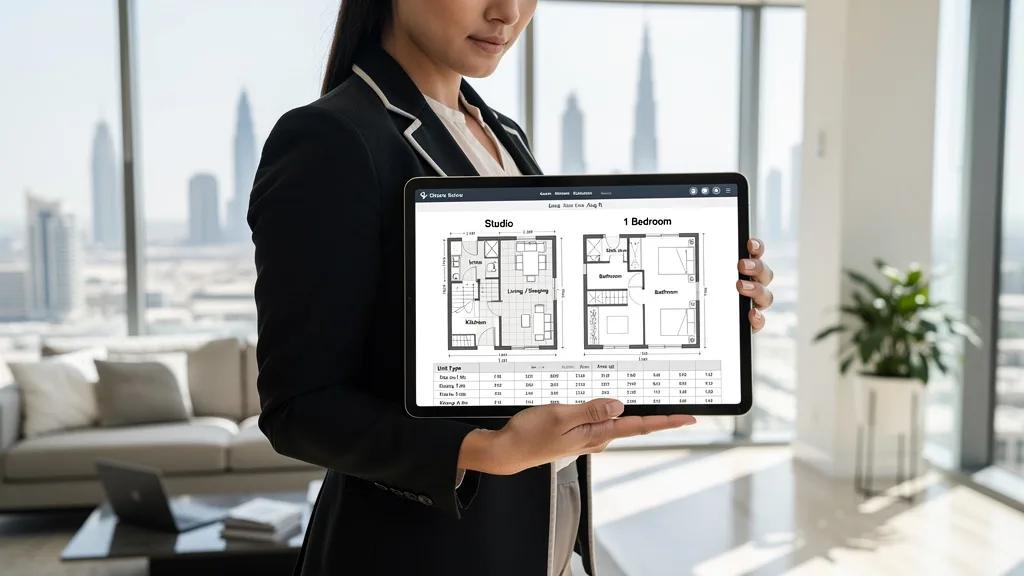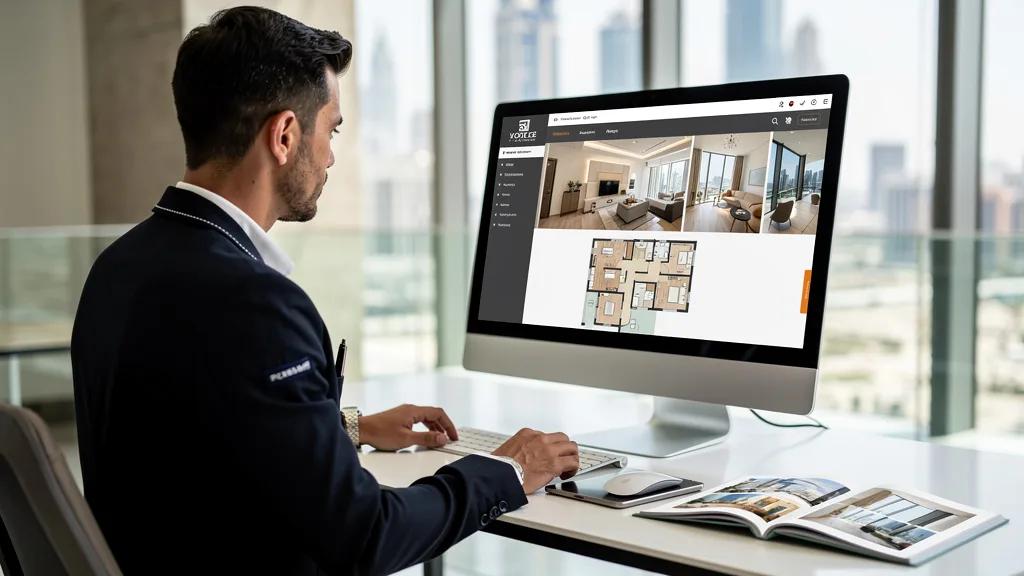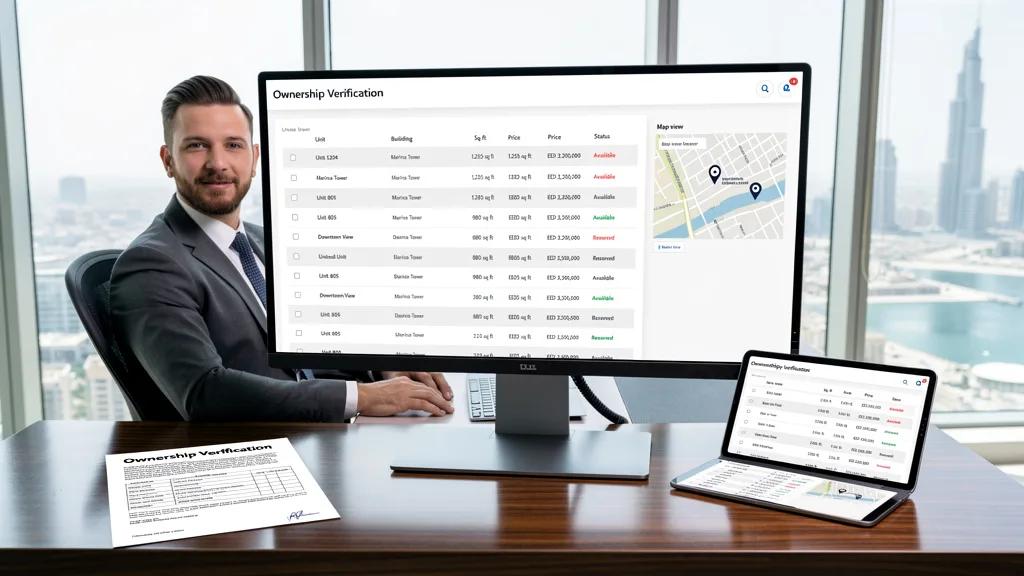
Are you certain the luxury Dubai apartment you're considering is legitimate? In a dynamic market, ensuring a property's authenticity is the most critical step you can take before committing to a purchase. This guide provides the essential steps for comprehensive verification in 2026.
To how to verify a Dubai property listing before buying, you must first confirm your broker's RERA registration, then use the Dubai Land Department (DLD) website or Dubai REST app to run a property status enquiry. Finally, you must authenticate the official title deed to confirm ownership details and check for any outstanding mortgages before proceeding with the transaction.
Step 1: Verify the Real Estate Broker and Agency
Before you even fall in love with a property, your first verification step should be the professionals representing it. A legitimate broker and a reputable agency are your first line of defense against fraudulent listings and misinformation. This initial due diligence sets the stage for a transparent and secure transaction process.
Check the Broker's RERA Registration
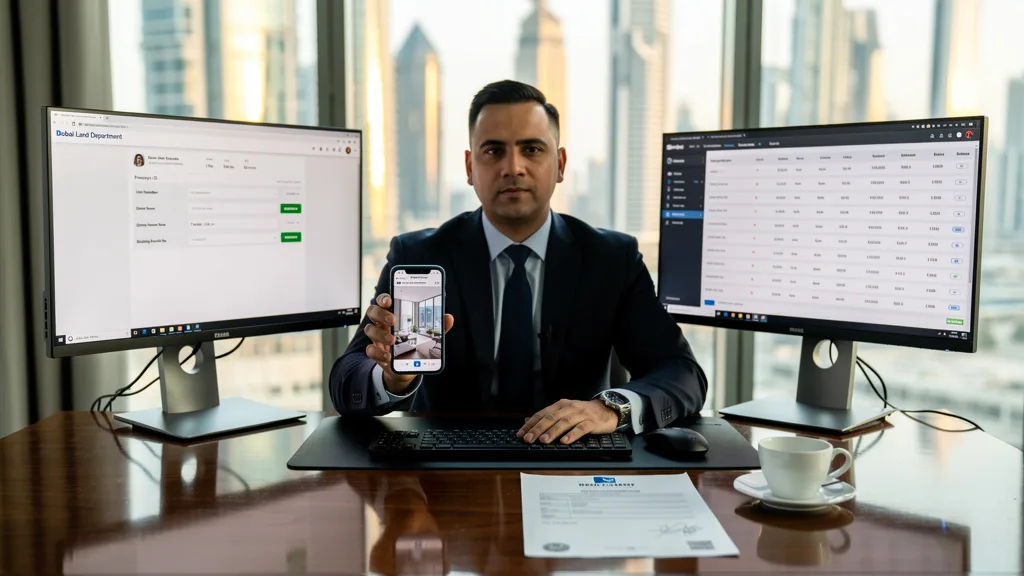
Every real estate broker operating in Dubai must be registered with the Real Estate Regulatory Agency (RERA). Ask your agent for their RERA card, which includes their name, photo, and broker registration number (BRN). You can verify this number on the official Dubai Land Department (DLD) website or through the Dubai REST app to ensure their license is active and valid.
Dealing with an unregistered broker is a significant risk and is illegal in Dubai. A valid RERA registration confirms the agent has met the required training and ethical standards. If an agent is hesitant to provide their BRN, consider this a major red flag and walk away. A professional will be proud to demonstrate their credentials.
Confirm the Agency's License and Reputation
Beyond the individual broker, the agency they work for must also hold a valid trade license from the Department of Economic Development and be registered with RERA. You can verify the agency's RERA registration (ORN: Office Registration Number) using the same DLD platforms. A reputable agency will have a physical office and a history of successful, transparent transactions.
Look for online reviews, testimonials, and their presence in the market. A well-established brokerage prioritizes its reputation and is more likely to have rigorous internal processes for verifying listings before they are even advertised. For more details on this process, you can Verify Dubai Real Estate Broker credentials through official channels. Choosing the right professional is a key part of your investment journey, and our guide on choosing a real estate agent in Dubai can provide further insights.
Step 2: Use Dubai Land Department (DLD) Official Channels
The Dubai Land Department is the definitive source for all property-related information in the emirate. The DLD provides robust digital tools that empower buyers to independently verify the status and details of any property. Using these official channels is a non-negotiable step in your due diligence process.
Using the DLD Website's Property Status Enquiry
The DLD's official website offers a service called the "Property Status Enquiry." This tool allows you to check the validity of a property's information directly from the source. To use this service, you will typically need the property's title deed number, the owner's name, or the land number. This enquiry will confirm if the property exists in the DLD's registry and can reveal its current status, such as whether it's mortgaged, blocked for legal reasons, or clear for sale.

This service is part of the Dubai Land Department's commitment to transparency and aims to achieve the objectives of the Dubai government's strategy for the real estate sector. It's a simple yet powerful way to cut through marketing claims and get to the facts. If the information from the seller or agent doesn't match the DLD's records, you have uncovered a critical discrepancy that needs immediate clarification.
Leveraging the Dubai REST App for Mobile Verification
For on-the-go verification, the DLD's official mobile application, Dubai REST (Real Estate Self Transaction), is an invaluable tool. The app provides access to many of the same services as the website, including property verification. You can input a title deed number or scan a QR code on a title deed to instantly pull up the property's details on your smartphone.
The Dubai REST app is particularly useful during property viewings or meetings with agents. It allows for real-time fact-checking, ensuring the information you are being given is accurate. The app also serves as a secure platform for managing your real estate portfolio, paying service charges, and accessing other DLD services once you become a property owner.
Understanding DLD Service Procedures and Timelines
While many DLD services like the initial property status enquiry are instant, others, such as issuing a new title deed or registering a mortgage, have specific procedures and timelines. Familiarize yourself with these processes to set realistic expectations for your transaction. The DLD website provides detailed information on service fees, required documents, and estimated completion times for all its procedures.
Understanding these timelines helps you create an accurate closing schedule and ensures there are no surprises. For example, obtaining a No Objection Certificate (NOC) from a developer can take several days, and this must be factored into your overall purchase plan. A knowledgeable agent will guide you through these DLD service procedures efficiently.
Step 3: How to Authenticate the Property's Title Deed
The Title Deed (or 'Oqood' for off-plan properties) is the single most important document in any real estate transaction. It is the official proof of ownership issued by the DLD. Authenticating this document is crucial to ensure you are dealing with the legitimate owner and that the property is free from unforeseen liabilities.
Key Information to Check
A genuine Dubai Title Deed contains several key pieces of information that you must scrutinize carefully. Modern title deeds feature a QR code that can be scanned with the Dubai REST app for instant verification. Whether you are looking at a digital or physical copy, cross-reference the following details with the information provided by the seller and your own DLD enquiry:
- Title Deed Number: The unique identifier for the document.
- Property Type and Description: Confirms if it's an apartment, villa, etc., along with its size and specific unit number.
- Plot Number and Location: The official land number and community name.
- Owner's Full Name: Must match the seller's identification documents exactly.
- Mortgage Status: A section will clearly state if the property is mortgaged and with which bank.
- Issue Date: The date the title deed was issued by the DLD.
Confirming Ownership and Any Registered Mortgages
The primary purpose of checking the title deed is to confirm that the person selling the property is the legal owner. The name on the title deed must match the seller's Emirates ID or passport. If a company owns the property, you must verify the company's trade license and confirm that the individual signing has the authority to do so via a board resolution or power of attorney.
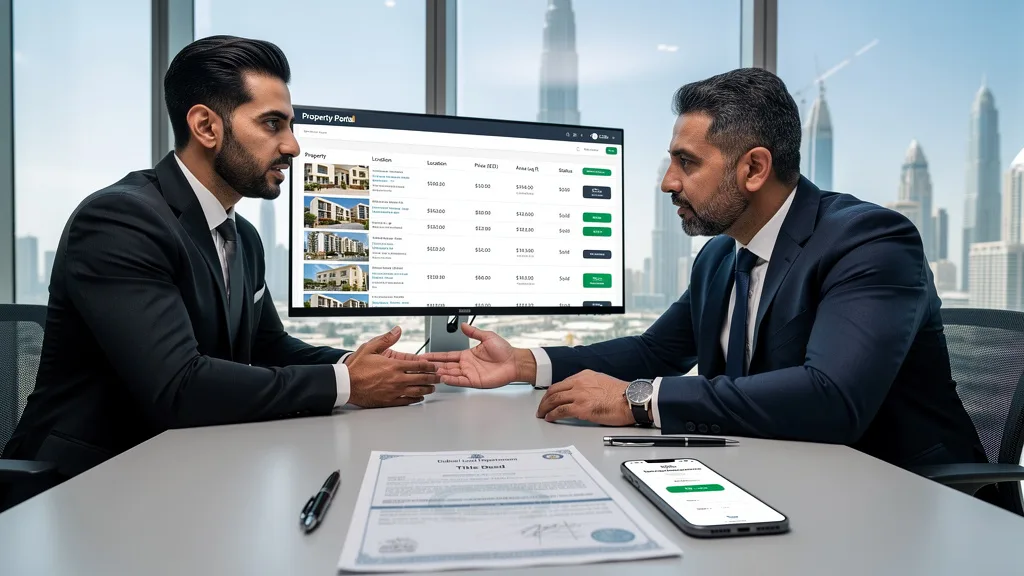
Equally important is checking the mortgage status. If the property is mortgaged, the seller's bank will hold the original title deed. The transaction process will then need to include steps to clear the existing mortgage before or during the transfer of ownership. Your agent and conveyancer will manage this process, but you must be aware of it from the start as it affects the payment structure and timeline.
Step 4: Scrutinize Other Essential Documents
Beyond the title deed, several other documents provide a complete picture of the property's financial and legal standing. Requesting and reviewing these papers is a vital part of your due diligence, protecting you from future liabilities and unexpected costs. This step is especially important when considering apartments within larger developments.
Requesting the No Objection Certificate (NOC)
A No Objection Certificate (NOC) is a legal document required for nearly all secondary market property sales in Dubai. The seller must obtain this certificate from the property developer. The NOC confirms that the seller has settled all outstanding dues, including service charges and any other fees owed to the developer.

The developer will only issue the NOC after confirming there are no financial liabilities tied to the property. This document is mandatory for the DLD to process the ownership transfer. Be aware that obtaining an NOC usually involves a fee and can take a few business days, so this should be factored into your transaction timeline. The process differs slightly between ready properties and those still under construction, a key consideration when comparing off-plan vs ready apartments in Dubai.
Reviewing Service Charge History and Financials
For apartments and properties within communities, annual service charges cover the maintenance of common areas, security, and amenities. Before buying, you must request a complete history of the service charges for the specific unit. This statement, usually obtainable from the developer or the building's owners' association management company, will show the annual fees and whether the current owner is up to date on their payments.
High or rapidly increasing service charges can significantly impact your return on investment and overall cost of ownership. Reviewing at least the last two to three years of statements gives you a clear idea of the financial health of the building and what to expect. This is a key part of understanding the hidden costs of buying a property in Dubai that go beyond the initial purchase price.
Your Dubai Property Verification Checklist for 2026
To simplify the process, use this checklist to ensure you have covered all critical verification points before finalizing your Dubai property purchase in 2026. This systematic approach will help you navigate the complexities of the market with confidence and security.
"In the Dubai real estate market of 2026, leveraging the DLD's digital tools isn't just an option; it's a necessity. A quick property status enquiry on the Dubai REST app can save you from months of potential legal issues and financial loss. Never take a listing at face value."
Broker and Agency Credentials
The foundation of a secure transaction begins with the professionals you choose to work with. Ensure they are fully licensed and have a positive reputation in the market. This initial check protects you from unauthorized agents and fraudulent activities from the very start.
Verifying your agent's credentials provides peace of mind and ensures you are working within the legal framework established by RERA. A certified professional will be your guide through the entire verification and purchase process, making it smoother and more secure.
Listing and Price Accuracy
Once you've vetted your agent, the next step is to scrutinize the listing itself. This involves comparing the advertised details with market data and official records. Discrepancies in price or property features can be an early warning sign.
Check the advertised price against similar properties in the same building or area. Be wary of listings that are priced significantly below market value. Also, ensure the photos and descriptions accurately represent the property's current condition during your viewing.
Official DLD and Title Deed Confirmation
This is the core of the verification process. Using official government channels to confirm the property's legal status is non-negotiable. The DLD provides the ultimate source of truth regarding ownership, mortgages, and any legal blocks on the property.
Always perform your own check using the DLD website or Dubai REST app, even if your agent provides you with documents. This independent verification confirms the authenticity of the title deed and ensures the seller has the legal right to sell the property.
Building and Community Due Diligence
Finally, look beyond the specific unit to the health of the overall building and community. The quality of management, financial stability, and community rules will all impact your experience as an owner. This due diligence is crucial for long-term satisfaction and investment value.
Reviewing service charge history, speaking with building management, and even talking to current residents can provide invaluable insights. A well-managed building not only offers a better living experience but also tends to hold its value more effectively over time.
| Verification Area | Key Action Items | Tool/Document |
|---|---|---|
| Broker & Agency | Verify RERA registration (BRN & ORN). Check agency trade license. | Dubai REST App / DLD Website |
| Listing Details | Compare price to market rates. Verify photos and features during viewing. | Property Portals / Physical Viewing |
| Ownership & Legal Status | Authenticate Title Deed. Confirm owner's identity. Check for mortgages or blocks. | Title Deed / DLD Property Status Enquiry |
| Developer & Financials | Request NOC from the developer. Review the last 2-3 years of service charge history. | NOC / Service Charge Statements |
| Building & Community | Assess the condition of common areas. Inquire about owners' association health. | Physical Inspection / Building Management |
Common Red Flags in Dubai Property Listings
While navigating the Dubai real estate market, being aware of common red flags can help you quickly identify potentially problematic listings. These warning signs suggest you should proceed with caution and conduct even more thorough due-diligence. Trust your instincts; if a deal seems too good to be true, it often is.
- Significantly Below-Market Price: A price far lower than comparable units can indicate a scam, a distressed seller with complications, or major hidden issues with the property.
- Refusal to Provide Documents: A seller or agent who is hesitant to provide the title deed number or allow for DLD checks is a major warning sign.
- Pressure for a Quick Cash Deposit: Legitimate transactions follow a clear process. Any pressure to pay a large, immediate cash deposit outside of the standard procedure is suspicious.
- Vague or Stock Photos: Listings that use generic renders, blurry images, or photos that don't match the property description should be questioned.
- Unresponsive or Unlicensed Agent: An agent who is difficult to contact or cannot produce a valid RERA ID should be avoided.
- Inconsistent Information: If the details on the listing portal, from the agent, and on the official documents do not align, it indicates a lack of transparency.
Key Takeaways
Navigating the Dubai property market requires diligence and a clear verification strategy. By following a structured approach, you can protect your investment and ensure a smooth transaction. Here are the most critical takeaways from this guide:
- Always Start with the Broker: Your first step is to verify your agent and their agency's RERA registration. Never work with an unlicensed individual.
- Use Official DLD Tools: The Dubai Land Department's website and the Dubai REST app are your most reliable sources. Use them to perform a property status enquiry and validate all information independently.
- Scrutinize the Title Deed: The title deed is the ultimate proof of ownership. Check the owner's name, property details, and mortgage status carefully. Use the QR code for instant verification.
- Review Financial Documents: Request the developer's NOC and review the service charge history to understand the property's financial health and avoid future liabilities.
- Trust, But Verify: While a good agent is an invaluable asset, the final responsibility for due diligence lies with you, the buyer. Cross-check every piece of information using official channels.
Frequently Asked Questions
Here are answers to some common questions buyers have when verifying property listings in Dubai. These insights can help clarify specific points in your due diligence journey.
How do I verify a listing on a real estate portal like Property Finder?
Major portals like Property Finder and Bayut have their own verification systems, such as the 'Verified Listing' badge. This badge typically means the agent has submitted the required RERA form (Form A) and a copy of the title deed. While this is a good first-level check, it is not a substitute for your own independent verification using the official DLD website or Dubai REST app.
Always treat portal verifications as a starting point. Cross-reference the title deed number provided on the listing with the DLD's public database to conduct your own due diligence. This ensures the information is not only verified by the portal but also confirmed by the ultimate government authority.
How can I confirm if a Dubai title deed is real?
The most reliable way to confirm a title deed's authenticity in 2026 is by using the QR code printed on it. Scanning this code with the Dubai REST app will instantly pull the property's data directly from the Dubai Land Department's official registry. This digital link ensures the document is genuine and the data is current.
If you have a copy without a QR code (an older version), you can use the title deed number to perform a 'Property Status Enquiry' on the DLD website. If the system recognizes the number and displays the correct property details, the deed is legitimate. If you have any doubts, you can always visit a DLD service center for in-person verification.
Who is Mr. 1% in the Dubai real estate market?
The term "Mr. 1%" is not an official title but market slang that has been used to describe agents or deals promising unusually high, guaranteed returns, often through monthly payment schemes. It can also refer to agents who became known for charging a 1% commission instead of the standard 2%. This term often serves as a cautionary tale about deals that sound too good to be true.
Buyers should be wary of any individual or scheme promising fixed, unrealistic returns. The Dubai real estate market is subject to market forces, and while it offers excellent opportunities, guaranteed profits are a red flag. Always work with reputable, RERA-certified brokers and base your decisions on thorough research and official data, not on catchy marketing slogans.
Are there fees for using the DLD's property verification services?
Most of the basic verification services offered by the Dubai Land Department are free of charge. For example, using the 'Property Status Enquiry' on the DLD website or scanning a title deed's QR code via the Dubai REST app does not typically incur a fee. This is part of the DLD's initiative to promote transparency and empower investors.
However, fees do apply for official transactions and document issuance, such as obtaining a new title deed, registering a mortgage, or requesting certified printed copies of documents. The DLD maintains a clear schedule of fees on its website, so you can anticipate these costs as part of your transaction budget.
What is the difference between an Oqood and a title deed?
An Oqood is a document that registers an off-plan property with the DLD before it is constructed. It serves as a pre-title deed, confirming the buyer's rights to the future property and is a crucial part of the process when you buy verified properties that are still under development. It ensures the sale is officially recorded and prevents the developer from selling the same unit to multiple buyers.
Once the property construction is complete and the developer has fulfilled all its obligations, the Oqood is converted into a standard Title Deed. The Title Deed is the final, official document confirming full ownership of the completed, tangible property. So, an Oqood is for an off-plan property, while a Title Deed is for a completed, ready property.
Conclusion
Successfully navigating the process of how to verify a Dubai property listing before buying is the cornerstone of a secure and profitable real estate investment. By diligently following the steps outlined, from vetting your agent to authenticating the title deed through official DLD channels, you replace uncertainty with confidence. This methodical approach empowers you to make informed decisions based on verified facts, not just marketing claims.
The key takeaways are to always start by confirming your broker's RERA credentials and to personally use the DLD's digital tools like the Dubai REST app for independent verification. Furthermore, a thorough review of the title deed, NOC, and service charge history will protect you from unexpected financial burdens. These actions are not just procedural; they are essential safeguards for your capital in the competitive Dubai market of 2026.
While these steps provide a clear framework, the nuances of complex transactions, especially for high-value luxury properties, often benefit from expert guidance. A trusted advisor can help you navigate the process efficiently, ensuring every detail is handled with precision and care.
If you are looking for verified luxury apartments and want expert assistance with your due diligence, our team is here to help. We provide transparent, DLD-verified listings and professional guidance for buyers, sellers, and investors. Get a Quote today to discuss your property needs with a certified Dubai real estate specialist.