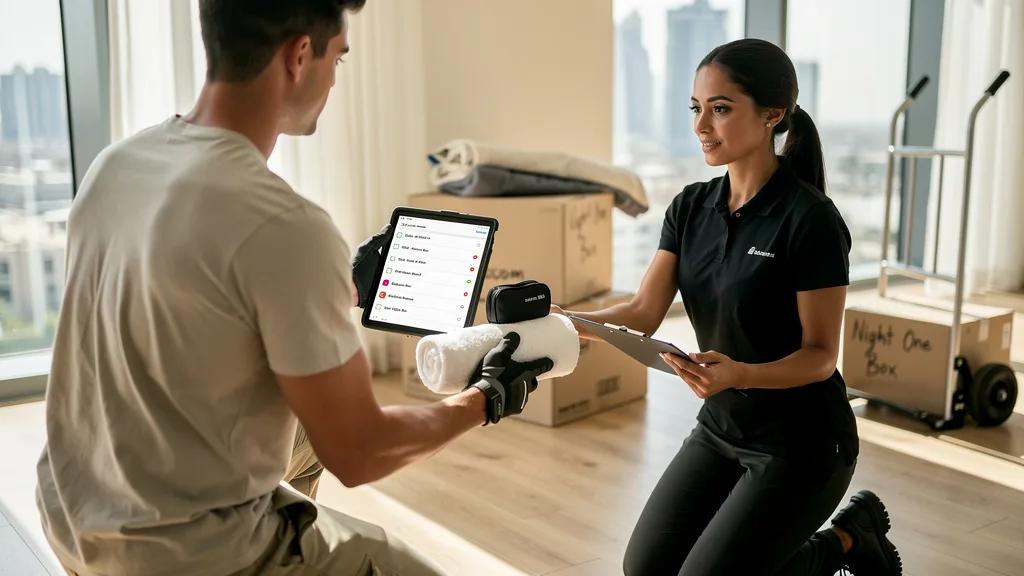
Are you confident that your priceless art, designer furniture, and essential electronics are fully protected during your move to a luxury Dubai apartment? While professional movers offer a basic level of liability, it often falls short of the actual replacement value of your cherished belongings, leaving you financially exposed in case of damage or loss.
Understanding Moving Insurance in Dubai: What You Need to Know is critical for a seamless and secure relocation. This type of insurance provides financial protection for your personal belongings against potential damage or loss while they are in transit or storage. Unlike a mover's standard liability, which is often limited to a nominal amount per kilogram, a dedicated moving insurance policy can cover the full replacement value of your items, ensuring you are properly compensated for any mishaps during your move within or to the UAE.
Why Standard Mover Liability Is Often Not Enough
Most moving companies in Dubai provide a basic liability coverage as part of their service, but it's crucial to understand its limitations. This standard protection is not true insurance but rather a minimal level of carrier responsibility mandated by industry regulations. It is designed to cover a fraction of the value, not the full cost of replacing your items, which can be a significant issue when relocating high-value possessions to a premium property.

For individuals and families moving expensive furniture, art collections, or sophisticated electronics, relying solely on this basic coverage is a considerable risk. The financial gap between the mover's liability payout and the actual cost to repair or replace your goods can be substantial. For a stress-free transition into your new home, securing dedicated relocation insurance is an essential step that provides true peace of mind and financial security.
Understanding Coverage by Weight vs. Actual Item Value
The most common form of basic mover liability is known as 'released value protection'. Under this model, the moving company's liability is limited to a set amount per kilogram of weight for any lost or damaged item. For instance, the coverage might be capped at a few dirhams per kilogram. If a lightweight but extremely valuable item, like a designer lamp or an electronic device, is damaged, the compensation you receive would be negligible and nowhere near its actual worth.
This weight-based system fails to account for the intrinsic value of your belongings. An antique vase weighing two kilograms would receive the same compensation as two kilograms of books. This is why it's vital to declare high-value items separately and ensure your insurance policy is based on the actual cash value or full replacement value of your possessions, not just their weight.
The Difference Between Basic Liability and Full Protection
The distinction between basic liability and full value protection is the most critical concept to grasp when choosing your coverage. Basic liability offers minimal protection at no extra cost, while full protection provides comprehensive coverage for a premium. Understanding this difference helps you make an informed decision tailored to the value of your belongings.
Full Value Protection (FVP) is a more comprehensive option where the moving company is liable for the full replacement value of any lost or damaged goods. If an item is damaged, the mover must either repair it to its original condition, replace it with a similar item, or offer a cash settlement for its current market replacement value. While it costs more, FVP offers a significantly higher level of security, particularly for valuable household inventories.
| Feature | Basic Liability (Released Value) | Full Value Protection (FVP) |
|---|---|---|
| Cost | Included in the moving fee (no additional charge) | Additional premium based on the declared value of your shipment |
| Coverage Basis | Weight (e.g., AED per kilogram) | Declared replacement value of the item |
| Payout for a Damaged 5kg, AED 10,000 TV | Minimal, often less than AED 100 | Repair, replacement, or cash settlement for the full value |
| Best For | Low-value moves where risk of loss is acceptable | Moves involving valuable furniture, electronics, art, and heirlooms |
Types of Moving Insurance Available in the UAE
When planning a move in the UAE, you'll encounter several types of insurance policies designed to protect your belongings. These policies offer different levels of coverage tailored to the specifics of your relocation, whether you're moving across the street in Dubai Marina or across the country from Abu Dhabi. Selecting the right type is crucial for ensuring your assets are protected against the relevant risks.
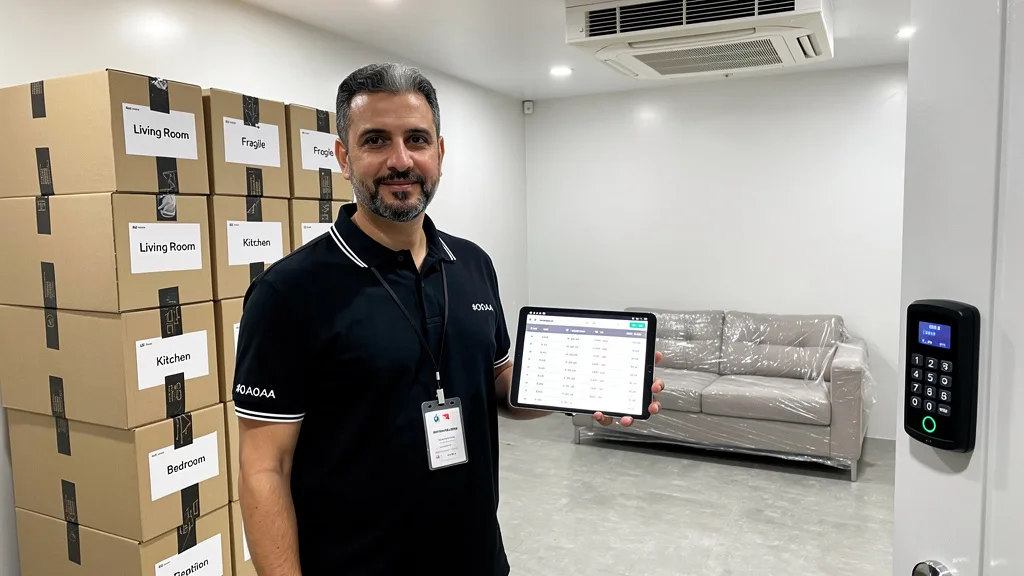
From basic transit coverage to all-encompassing policies, the insurance market provides options for every need and budget. It's important to assess the value of your items, the distance of the move, and whether storage will be required. This assessment will help you determine which policy offers the optimal balance of cost and comprehensive protection for your personal belongings.
Transit Insurance for Local and Cross-Emirate Moves
Transit insurance services are the most common type of coverage for local and inter-emirate relocations. This policy protects your goods only while they are being transported from your old residence to your new one. The coverage typically begins when the moving truck is loaded and ends as soon as the last item is unloaded at the destination.
This insurance covers loss or damage resulting from specific perils encountered during transit, such as traffic accidents, fire, or theft of the vehicle. However, it may not cover damage that occurs during the packing or unpacking process or while items are being carried into or out of your properties. It is a cost-effective solution for straightforward moves but may not be sufficient for complex relocations involving high-value items.
All-Risk Insurance for Comprehensive Relocation Coverage
For the highest level of protection, all-risk insurance is the recommended choice. This comprehensive policy covers your belongings from the moment the movers begin packing at your origin address until they finish unpacking at your destination. Unlike transit insurance, it protects against a much broader range of risks, including accidental damage that occurs during packing, handling, loading, and unloading.
All-risk policies are ideal for international moves or domestic relocations involving valuable and fragile items like artwork, antiques, and high-end electronics. While it comes at a higher premium, the peace of mind it provides is invaluable. It is the most thorough form of Relocation Insurance UAE, ensuring your assets are protected at every stage of the moving process.
Storage Insurance for Your Personal Belongings
If your relocation plan includes a period of storage, it is vital to ensure your insurance coverage extends to the storage facility. Standard moving insurance policies often do not cover goods once they are placed in storage, creating a potential gap in protection. Storage insurance is a specific add-on or separate policy designed to protect your items from risks like fire, theft, and water damage while they are warehoused.
Before committing to a storage solution, confirm with your insurance provider whether your policy includes this coverage. If not, you will need to purchase a separate policy. Always choose a reputable, secure storage facility and verify that your insurance is active for the entire duration your belongings are stored, providing continuous protection until you are ready to move them into your new Dubai home.
Key Moving Insurance Terms Explained Simply
Navigating the world of moving insurance can be confusing due to industry-specific jargon. Understanding a few key terms will empower you to read policies critically and choose the right coverage for your needs. Familiarizing yourself with concepts like 'deductible', 'actual cash value', and 'certificate of insurance' will help you avoid surprises and ensure you know exactly what your policy entails.

These terms define the core mechanics of your insurance agreement, including how much you pay out-of-pocket, how your items are valued, and how to prove you have coverage. A clear grasp of this language is fundamental to a successful and financially secure move.
Deductible or Excess
A 'deductible' or 'excess' is the fixed amount of money you are required to pay out of your own pocket before your insurance coverage kicks in to cover a claim. For example, if you have a deductible of AED 1,000 and you file a claim for AED 5,000 worth of damage, you would pay the first AED 1,000, and the insurance company would cover the remaining AED 4,000.
Generally, policies with higher deductibles have lower monthly or annual premiums, while policies with lower deductibles cost more. When choosing a policy, you should select a deductible amount that you are comfortable paying in the event of a claim. It's a balance between upfront cost and potential out-of-pocket expenses later.
Full Value Protection (FVP) vs. Actual Cash Value (ACV)
These two terms define how your insurance company will value your belongings for a claim settlement. Full Value Protection (FVP), as mentioned earlier, agrees to pay the amount required to replace the damaged or lost item with a new, similar one at its current market price. This is the most comprehensive valuation method.
"Choosing between ACV and FVP is one of the most critical decisions in securing moving insurance. For owners of luxury properties with high-end furnishings, FVP is almost always the prudent choice, as it protects your investment's true replacement cost, not a depreciated value."
In contrast, Actual Cash Value (ACV) coverage only pays for the replacement cost of the item minus depreciation. Depreciation is the decrease in an item's value over time due to age, wear, and tear. An ACV policy will result in a lower payout for older items compared to an FVP policy, making it a less suitable option for those with valuable, established household goods.
Certificate of Insurance (COI)
A Certificate of Insurance (COI) is a document issued by an insurance company or broker that serves as proof of your insurance coverage. Many luxury residential buildings in Dubai require you or your moving company to provide a COI before any work can begin. This document verifies that the movers have liability insurance, protecting the building's property (like elevators, walls, and floors) from any damage caused during the move.
When hiring a moving company, always request a copy of their COI. It should list the type and amount of coverage, the policy effective dates, and the name of the insurance carrier. This is a critical step in verifying that the mover is legitimate and properly insured to operate within your building's regulations.
How to Choose the Right Moving Insurance Provider in Dubai
Selecting the right insurance provider is just as important as choosing the right policy. In Dubai, you have the option of purchasing insurance directly from a third-party insurer or through your moving company. The best provider for you will be reputable, transparent, and offer coverage that aligns perfectly with the value of your possessions and the specifics of your move.

To make the best choice, you should conduct thorough research, compare different offerings, and verify the credentials of both the moving company and the insurance underwriter. Taking these steps will help you find a reliable partner to protect your belongings during this important transition.
Verifying a Mover's Insurance Credentials
Before signing a contract with any moving company, it is essential to verify their insurance credentials. Ask for their Certificate of Insurance and confirm that their coverage is current and adequate. A reputable mover will be transparent about their insurance and liability options and will readily provide this documentation. Be wary of any company that is hesitant to share these details.
You can also check for their registration and licensing with relevant Dubai authorities. This due diligence process is similar to how you would vet any professional service provider, such as when you choose a real estate agent in Dubai. A legitimate, professional company will have all its paperwork in order, providing a foundational level of trust and security.
Comparing Quotes and Coverage Limits
It is always wise to obtain quotes from at least three different providers to compare costs and coverage details. Do not make your decision based on price alone. A cheaper policy might have a higher deductible, lower coverage limits, or more exclusions. Carefully read the terms and conditions of each quote to understand exactly what is and isn't covered.
Create a simple spreadsheet to compare key factors side-by-side, such as the premium cost, deductible amount, coverage limits for high-value items, and the claims process. This organized approach will help you identify the policy that offers the best value and most appropriate level of protection for your specific circumstances.
Reading Customer Reviews and Claim Histories
Customer reviews can provide invaluable insight into a company's reliability and service quality, especially regarding their claims process. Look for reviews on independent platforms that detail other customers' experiences with filing claims. A history of smooth, fair, and timely claim resolutions is a strong indicator of a trustworthy provider.
Conversely, a pattern of denied claims, slow communication, or poor customer service should be a major red flag. While every company may have a few negative reviews, consistent complaints about the claims process suggest you might face difficulties if you need to file a claim. This research is a crucial step in avoiding potential frustration down the road.
The Claims Process: What to Do if Something Goes Wrong
Even with the most careful movers and the best insurance, accidents can happen. Knowing the correct procedure for filing a claim is essential for a successful resolution. A systematic and prompt approach will significantly increase your chances of being compensated fairly and quickly for any damage or loss to your belongings.
The claims process typically involves documenting your items before the move, reporting damage immediately upon discovery, and submitting a formal claim with all necessary evidence. Following these steps diligently will ensure you meet the requirements of your insurance policy.
Documenting Your Valuables Before the Move
The single most important step you can take to protect yourself is to create a detailed inventory of your belongings before the movers arrive. This documentation will serve as crucial evidence if you need to file a claim. Your inventory should include:
- A written list of all items being moved, especially those of high value.
- Clear photographs or a video recording of your items, paying special attention to their pre-move condition.
- Copies of receipts or professional appraisals for expensive items like art, antiques, or jewelry.
This process is much like the detailed inspection you would perform using a luxury penthouse checklist before a property purchase. Thorough documentation provides indisputable proof of an item's existence and condition, which is invaluable during a claim investigation.
How to Report Damage or Loss Immediately
Upon delivery, inspect your items as they are being unloaded. If you notice any damage to boxes or furniture, point it out to the moving crew immediately and note it on the delivery receipt or bill of lading before signing. This document, often called a 'delivery inventory', is a legal record of the condition of your goods upon arrival.
Most insurance policies have a strict time limit for reporting claims, often within a few days of the move. Do not delay. As soon as you discover any damage or missing items, contact both the moving company and your insurance provider to formally initiate the claims process. Prompt reporting is critical to the validity of your claim.
Understanding the Timeline for Claim Resolution
After you have submitted your claim with all the necessary documentation, the insurance company will begin its investigation. The timeline for resolution can vary depending on the complexity of the claim and the responsiveness of the insurer. A straightforward claim for a single damaged item might be resolved in a few weeks, while a more complex case involving multiple items could take longer.
Stay in regular communication with your claims adjuster and keep a record of all correspondence. Ask for an estimated timeline and follow up politely if you don't receive updates. While it can be a frustrating wait, patience and persistence are key to navigating the process and achieving a satisfactory outcome.
Key Takeaways
Navigating moving insurance in Dubai doesn't have to be complicated. By focusing on a few core principles, you can ensure your valuable assets are protected throughout your relocation. Keeping these key points in mind will help you make informed decisions and secure the right coverage for a worry-free move.
- Standard Liability is Not Enough: A mover's basic coverage is based on weight and offers minimal protection. Always consider purchasing full value protection for adequate coverage.
- Choose the Right Policy Type: Select from transit, all-risk, and storage insurance based on the specifics of your move and the value of your belongings.
- Understand Key Terms: Familiarize yourself with terms like 'deductible', 'ACV', and 'FVP' to understand your policy's financial implications.
- Vet Your Providers: Always verify the credentials of your moving company and insurance provider, and compare multiple quotes before making a decision.
- Document Everything: Create a detailed inventory of your valuables before the move and report any damage immediately to ensure a smooth claims process.
Frequently Asked Questions
What does moving insurance in Dubai typically cover?
Moving insurance in Dubai generally covers the loss or damage of your personal belongings during transit. Depending on the policy, this can include risks like traffic accidents, fire, theft, and mishandling by the movers. Basic policies might only cover specific named perils, while comprehensive all-risk policies cover most forms of accidental damage, from packing at your old home to unpacking at your new one.
It's important to read the policy details to understand exclusions. Common exclusions may include damage to items you packed yourself, natural disasters, or damage to perishable goods. The full scope of what moving insurance covers can vary significantly between providers, so always clarify the specifics before purchasing a policy.
How is the cost of moving insurance calculated?
The cost, or premium, for moving insurance is primarily calculated based on the total declared value of your goods. You will need to create an inventory and assign a replacement value to your belongings. The insurance company will then charge a percentage of this total value as the premium. For example, the rate might be 1-2% of the declared value.
Other factors that can influence the cost include the type of coverage selected (all-risk is more expensive than transit-only), the deductible amount you choose (a higher deductible lowers the premium), the travel distance, and the moving company's track record. It is essential to declare an accurate value to avoid being underinsured.
Do I need my own policy if the moving company is already insured?
Yes, it is highly recommended. The insurance held by the moving company is typically general liability insurance, which protects them and covers damage they might cause to property, such as the building's elevator or walls. It does not adequately cover the value of your personal belongings. Their basic liability for your goods, as discussed, is minimal and based on weight.
To ensure your possessions are protected for their full value, you need to purchase a separate moving insurance policy, either through the mover (as a Full Value Protection plan) or from a third-party insurance provider. Relying solely on the mover's basic liability is a significant financial risk.
Are high-value items like art or electronics automatically covered?
No, high-value items are typically not automatically covered under a standard moving insurance policy. Most policies have a per-item limit and require you to separately declare any items that exceed this value. This category often includes jewelry, antiques, fine art, electronic equipment, and collections.
You must list these items on a 'high-value inventory' form and may need to provide proof of value through receipts or appraisals. The insurer may charge a higher premium to cover these specific items, but failing to declare them could result in a claim being denied or significantly underpaid. Discussing the costs associated with luxury assets with your insurer is crucial.
What is the difference between transit and all-risk insurance?
The main difference lies in the scope and duration of the coverage. Transit insurance specifically covers your goods only while they are in transit, meaning from the time they are loaded onto the moving truck until they are unloaded. It typically covers loss or damage from major events like a vehicle collision, fire, or theft.
All-risk insurance provides much broader, door-to-door protection. It covers your belongings from the moment packing begins at your origin until unpacking is complete at your destination. This includes protection against accidental damage that can occur during packing, handling, loading, and unloading, offering a more comprehensive safety net for your entire relocation process.
Conclusion
Securing the right moving insurance is a non-negotiable step for a successful and stress-free relocation to Dubai in 2026. By understanding the significant difference between basic mover liability and comprehensive coverage, you empower yourself to protect the true value of your assets. Taking the time to vet providers, document your belongings, and choose a policy that matches your needs ensures that your transition into a new luxury home is defined by excitement, not anxiety over potential loss.
As you prepare for your move, let us handle the complexities of finding your perfect Dubai residence. Our team specializes in verified luxury apartments, ensuring your new home is ready for you. For a seamless property search and expert guidance, contact our advisors today. Get a Quote and start your journey with confidence.